The 2026 Insider’s Guide to Hiring a Luxury Wedding Photographer in Cannes, France
Discover the 2026 insider’s guide to hiring a luxury wedding photographer in Cannes, France—tips, trends, and top-tier expertise for your Riviera celebration.
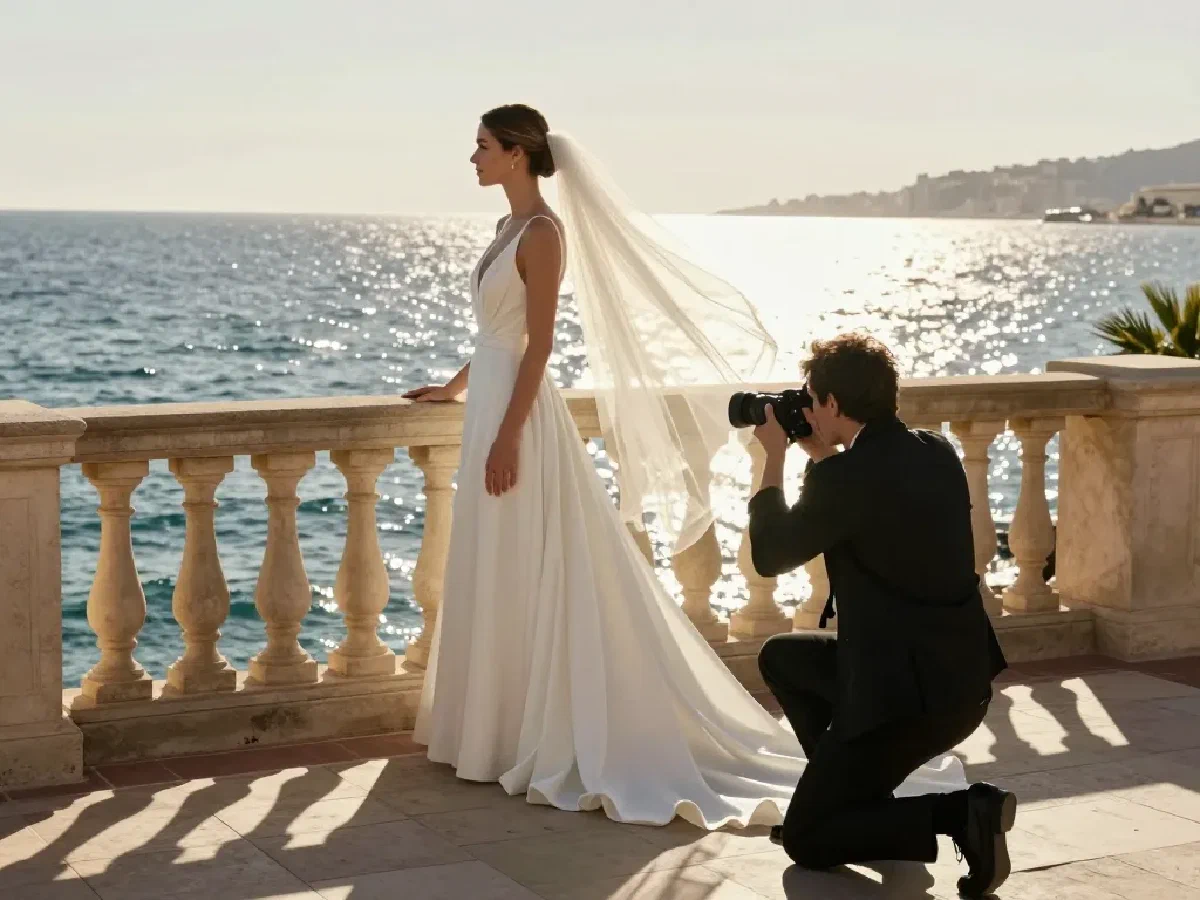
The sun dips below the Bay of Cannes, painting the Lérins Islands gold. Your guests hold their breath for the first kiss—and behind the lens, a professional quietly composes that moment into an heirloom. But securing the right luxury wedding photographer in Cannes, France, is far more nuanced than a simple Google search. It’s a market where artistry, discretion, and the region’s intense summer demand collide. This insider’s guide, written for 2026, cuts through the glossy portfolios. It reveals how to vet for true editorial mastery, negotiate contracts that protect you against the unpredictable Côte d’Azur weather, and secure a talent who understands the unique rhythm of a Riviera celebration. From hidden booking windows to red-flag pricing tactics, you’ll walk away with the exact checklist to hire a photographer who doesn’t just document your wedding—he or she elevates it into a cinematic legacy.
Understanding the 2026 Legal Landscape for Wedding Photography in France
Mandatory Credentials for Any Photographer
Before you fall in love with a portfolio of sun-drenched Riviera portraits, pause and verify the paperwork. In 2026, hiring a photographer in France without confirmed legal standing is a risk no couple should take. Every professional you consider must hold a valid SIRET number—the official French business registration—that is active and matches the name on their invoice. This isn’t a formality; it is the legal foundation of any paid service in the country. Equally non-negotiable is professional liability insurance (responsabilité civile professionnelle), which protects you and your venue if equipment damages property or an accident occurs on-site. Your contract must explicitly reference both the SIRET number and the insurance policy number, and you should request a copy of each document before signing. If a photographer hesitates or offers vague explanations, walk away. In Cannes, where venues like the Hotel du Cap or private villas require proof of vendor insurance for access, this documentation is also your logistical key.
Rules for Non-EU and International Photographers
The allure of bringing a trusted photographer from London, New York, or Dubai is understandable, but 2026 French law is unambiguous. Any photographer who is not an EU resident must hold a valid French work visa or be formally contracted through a registered French agency that handles their payroll and social contributions. This is not a grey area. If you bypass this rule, your wedding images could be confiscated by customs or labor authorities during the event, and your vendor faces fines that can reach thousands of euros. Beyond the visa, an international photographer must also declare their income in France, which is why the agency route is often the cleanest solution. Always request written proof of visa status or agency affiliation—a stamped attestation, not just a verbal promise—and include a clause in your contract that holds the photographer liable for any legal penalties incurred due to non-compliance. For a seamless 2026 celebration, this verification is as essential as the ring itself.
Navigating Cannes Venues and Filming Permits
The glamour of a Cannes wedding comes with a layer of bureaucracy that catches many couples off guard. By 2026, the rules around professional photography have tightened considerably. Your luxury photographer must be as adept at paperwork as they are at capturing light. This isn’t a last-minute detail—it’s a logistical cornerstone. It will determine whether your dream shoot unfolds on the marble steps of the Palais or in a cramped hotel corridor instead.
Venue-Specific Permit Requirements
Each iconic venue operates under its own jurisdiction. The Palais des Festivals, the Carlton Cannes (which reopened to great fanfare in 2023 after a full restoration), and the serene Île Sainte-Marguerite all require prior filming permits for any professional camera work, weddings included. This is non-negotiable. Your photographer must submit a formal application detailing the shoot’s scope, crew size, and equipment list. Typically, the venue’s event coordinator reviews these requests—or, for public landmarks, the city’s dedicated film office does. Approval can take anywhere from three to six weeks, so your photographer should initiate the process the moment you sign your contract, not after you land in France. For the Carlton, expect a more curated approval process given its heritage status. The Palais, conversely, may impose time windows to avoid clashing with corporate events.
City-Wide Permits and Street Closures
Beyond private walls, Cannes treats its public spaces—the sandy beaches, the palm-lined Boulevard de la Croisette, and the old port—as film sets. Any professional photography in these areas requires a municipal filming permit. A skilled photographer will handle this application, but you must build lead time into your planning timeline. The city typically requires a minimum of ten working days to process a simple request. During peak seasons, though, this can stretch to a month. More critically, be aware of the Cannes Film Festival, scheduled for May 12–23, 2026. During that fortnight, the city implements sweeping street closures, redirects pedestrian flow, and hotels are block-booked at astronomical rates. Avoid scheduling your wedding within this window unless you specifically want your bridal portraits to feature red-carpet chaos in the background. Even the week before the festival sees scaffolding and security barriers going up. For a seamless experience, target late June through September, when permits are easier to secure and the Mediterranean light is at its most forgiving.
Timing Your Wedding: Season, Weather, and Golden Hour
The Côte d’Azur’s luxury wedding calendar is unforgivingly precise. The season technically runs May through September, but June and September are the crown jewels—and the discerning couples who book them know it. These months offer the Mediterranean’s fabled light without the humidity or the shoulder-to-shoulder chaos of July and August. In June, the lavender fields behind Grasse are still fragrant, and the sea breeze keeps the air breathable. September matches that mildness with a softer, more autumnal glow that flatters skin in outdoor portraiture. Competition for top-tier photographers in these windows is fierce; expect to lock in your date 12 to 18 months ahead, with full-day packages ranging from €8,000 to €25,000 depending on the artist’s reputation and whether a second shooter or drone work is included.
Avoid July and August, unless your vision specifically embraces heat. Afternoon temperatures routinely hit 32°C (90°F), and the Croisette turns into a river of tourists. For cliffside villas or private beaches, the midday sun forces squints and harsh shadows under the nose and brow. If you must marry then, your photographer will lean on shaded loggias, white diffusion silks, or dappled olive-tree light—all of which demand extra setup time and often a dedicated lighting assistant, adding €1,500 to €3,000 to your budget.
Now, the golden hour. In 2026, the summer solstice pushes sunset to roughly 9:30 PM on the Riviera. So your formal portraits shouldn’t start before 7:30 PM. A skilled photographer reserves the preceding 90 minutes for posed family groupings and architectural shots, saving your intimate portraits for the last 45 minutes of light. If your ceremony is at noon, skip the immediate portrait session—plan a long, luxurious lunch break (champagne, naturally) and shoot from 5:00 PM onward, as the sun begins its descent. For midday ceremonies, shade or diffusers are non-negotiable; ask to see a portfolio of noon-lit shots before signing, as this separates the competent from the truly expert. And always confirm the backup plan for an overcast day—the diffuse light can be a gift, but the timing shifts dramatically.
Defining Your Luxury Photography Package and Deliverables
Commissioning a luxury wedding photographer in Cannes means securing far more than someone who takes pictures—it’s a bespoke creative service where technical mastery meets the French Riviera’s unique glamour. To avoid ambiguity, you need to know exactly what a premium package includes and how to shape it around your celebration.
Core Inclusions to Expect
A high-end package typically starts with a pre-wedding consultation, in person or by video, to map out your narrative, aesthetic preferences, and the day’s logistical flow. Then comes full-day coverage, usually 8 to 10 hours, with a second shooter so no moment slips by—from the bride’s preparations in a suite overlooking the Old Port to the last dance beneath a private estate’s chandeliers. After the event, you’ll receive a private, password-protected online gallery with high-resolution, color-corrected files and full print rights. Many top-tier photographers also include a curated fine-art album—archival cotton paper, leather or silk binding—or a cinematic highlight film of 3 to 5 minutes that captures the Mediterranean breeze and the clink of champagne glasses. These are the baseline. The real value, though, lies in how the photographer handles Cannes’ intense midday light and the sea’s reflective surfaces.
Customizing Your Contract
Deliverables and pricing vary widely, so negotiate a detailed contract with no room for misinterpretation. Specify the exact number of edited images—typically 400 to 600 for a full day—the delivery timeline (in 2026, usually 6 to 8 weeks for the gallery, up to 12 for the album), and how many album design revisions you get, often two or three. Critically, clarify usage rights: unlimited personal use? Social media sharing without tagging? And ask about raw files. Many luxury photographers in Cannes won’t release them, viewing their post-production grading as part of their artistic signature. If they do, expect a hefty premium—often €1,500 to €3,500 per wedding—plus a liability waiver for unedited images. Full luxury packages here run from €6,000 to €18,000 per wedding, depending on reputation, hours, and whether film or album is included. Always request a written breakdown of what happens if weather or a vendor issue delays the event; that protects both sides. A meticulously drafted contract is your safeguard, ensuring the final visual record lives up to the extraordinary reality of your day.
Data Protection and Privacy Compliance with CNIL
Written Consent from Guests
France’s Commission Nationale de l’Informatique et des Libertés (CNIL) enforces some of Europe’s strictest data privacy rules, and wedding photography falls squarely within its scope. Your photographer cannot simply post a gallery, a highlight reel, or even a single guest portrait on Instagram, their website, or a blog without explicit, documented permission from that individual. French law demands written consent—not a verbal “that’s fine” captured on a phone. The consent form must be in French, even if your guest list spans the globe, and it must clearly state where the images will appear (e.g., public social media, a password-protected client gallery, a printed album) and for how long. As the couple, ask your photographer to provide this form as a template, then include it in your wedding welcome packets. Have each guest sign and date it at check-in or during cocktail hour, and let your wedding planner collect the signed forms. A professional Cannes photographer will already have this workflow built in; if they hesitate or suggest a “gentleman’s agreement,” treat that as a red flag.
Privacy Notice and Storage
Beyond guest consent, your photographer must also supply a privacy notice in French, detailing how your images—and your guests’ images—are stored, used, and ultimately deleted. This notice should specify the cloud storage provider (e.g., a European-hosted server compliant with GDPR), encryption measures, and the retention period for your full-resolution files and any online galleries. In practice, for a 2026 luxury wedding in Cannes, expect a retention window of 12 to 24 months for online galleries, with archival files kept on secure hard drives for up to five years unless you negotiate extended storage. Your contract must include a dedicated data processing clause naming sub-processors (such as a cloud platform or backup service) and outlining deletion timelines once the retention period lapses. Also confirm that the photographer will permanently remove any guest images from their social media upon written request—CNIL takes this right very seriously. When vetting photographers, ask for a copy of their CNIL compliance documentation and their privacy notice in advance. A top-tier professional will share these without hesitation, and many will even customize the guest consent form with your wedding logo and the specific platforms you plan to use.
Evaluating Portfolios and Trust Signals
What to Look for in a Luxury Portfolio
Investing in a photographer for a destination wedding on the French Riviera means looking past the curated highlights on their website—those are just the appetizer. The real test is in the full wedding galleries. Ask for two or three complete weddings, shot start to finish, and scrutinize the consistency of exposure across a single day. A luxury photographer should glide from a sun-drenched terrace at the Château de la Croix des Gardes to the dim, chandelier-lit ballrooms of the Hôtel Carlton without a single blown-out highlight or muddy shadow. Look for natural posing, not stiff, orchestrated tableaux—moments where the couple’s hands fall naturally, where laughter wrinkles the eyes. Pay attention to candid guest interactions. A true professional captures the tear on a mother’s cheek, the champagne toast mid-clink, and the chaotic joy of the first dance without making anyone feel watched. If a portfolio is 90% stylized couple portraits and 10% documentary, that’s a red flag. Luxury weddings are 90% unscripted.
Professional Memberships and Local Affiliations
In France, trust is often formalized. A photographer registered with the Chambre de Métiers et de l’Artisanat (CMA) holds a valid business license (SIRET number) and carries proper insurance—essential for high-end venues that require liability coverage. Membership in the Fédération Française de la Photographie (FFP) is another strong signal, indicating a commitment to ethical standards and continuing education, often in the latest lighting techniques and editing workflows. Beyond paperwork, ask for direct references from past luxury clients, ideally those who married in the Alpes-Maritimes region. A photographer who has shot at the Grand-Hôtel du Cap-Martin or the Villa Ephrussi de Rothschild will know the exact angles of the afternoon sun, the wind patterns on the cliffside, and the local regulations for drone photography. When you call those references, ask not just about the final images but about punctuality, discretion during family politics, and how they handled a last-minute rain plan. These affiliations and local ties are your safety net—they signal that your photographer is not just an artist, but a seasoned professional who can navigate the specific demands of a French Riviera wedding. For 2026, expect to invest from €4,500 to €12,000 per full-day coverage, depending on experience and portfolio depth.
Managing the Logistics of a Destination Wedding Shoot
A destination wedding in Cannes is a symphony of moving parts, and your photographer is the conductor tasked with capturing every note. The single most important step? Insist on a comprehensive pre-wedding consultation—in person or via high-definition video call—well before you board your flight. This is no casual chat; it’s a strategic working session where you dissect your shot list, map out family dynamics that must be navigated with grace, and articulate the cultural traditions that are non-negotiable to document. If your budget and schedule allow, I strongly recommend arranging a scouting trip to Cannes with your photographer. Walking the cobblestone alleys of Le Suquet, timing the golden hour light on the Croisette, and identifying private, less-trafficked corners of Île Sainte-Marguerite—such as the serene clearing near the Fort Royal—transforms a generic shoot into a bespoke visual narrative. You’ll both leave with a shared mental map of exactly where the first look, the couple’s portraits, and the quiet, stolen moments will unfold.
Once on the ground, your photographer’s role expands into that of a logistical lynchpin. In 2026, the best luxury photographers no longer work in isolation; they operate as part of an integrated vendor ecosystem. They must proactively coordinate with your wedding planner, the videographer, and the venue coordinator to prevent scheduling collisions. The industry standard now is a shared, live digital timeline—often managed through platforms like Airtable or specialized wedding-management apps—that every vendor can access and update in real time. Ensure your photographer has the exact ceremony start time down to the minute, the precise location of the cocktail hour (terrace overlooking the bay or garden of a private villa?), and the full flow of the reception, including when speeches, the first dance, and the cake cutting will occur. This level of synchronization isn’t just about punctuality; it’s about ensuring your photographer is positioned in the right place, at the right moment, with the right lens, to capture the emotion as it happens. For this level of pre-planning, coordination, and on-the-day management, expect to invest from €8,000 to €15,000 per wedding day, depending on the photographer’s reputation, the number of assistants, and the complexity of your timeline.
Handling Weather, Backup Plans, and Contingencies
Mediterranean Weather Risks
The Côte d’Azur’s golden-hour glow is legendary, but even in the “safe” months of June and September, the Mediterranean plays by its own rules. A sudden mistral wind can whip through a garden ceremony in minutes, or a brief, dramatic shower can roll in off the bay just as the couple is about to step onto the beach. A seasoned Cannes photographer doesn’t just hope for clear skies—they have a visual strategy already mapped. Before signing, ask to see a full gallery shot entirely indoors at your specific venue or one of similar architecture. The best response to a weather shift is not panic but choreography: grand staircases with sweeping curves, marble lobbies with diffused natural light from high windows, and covered terraces with pale stone that bounce soft, even illumination. Your photographer should already know which corners of the venue catch the most flattering light at 4 p.m. on an overcast day. If they hesitate to name three backup locations on the spot, that’s a red flag.
Equipment and Personnel Backup
A luxury shoot in Cannes often involves 10+ continuous hours of coverage, from a private villa prep to a late-night reception on the Croisette. That demands redundancy at every level. Your contract should explicitly list the number of backup camera bodies, lenses, and dual-slot memory cards the photographer carries. For a full-day wedding, a second shooter is not a luxury—it’s essential. They cover the groom’s preparations, the wide-angle ceremony shots, and the candid reactions while your lead photographer focuses on the couple. But personnel backup goes deeper: confirm that your photographer has a trusted network of local associates in the South of France who can step in within 24 hours if illness, a delayed flight from Paris, or a family emergency strikes. Ask for names, not vague assurances. Finally, your contract must include a force majeure clause that clearly states what happens if extreme weather, a transport strike, or a regional event (like the Cannes Film Festival gridlock) prevents the photographer from reaching you. This clause should outline partial refunds, rescheduling options, and who covers travel rebooking costs. For a full-day luxury coverage package in Cannes, expect to pay from €6,500 to €12,000 per day for a top-tier photographer with full backup gear and a local second shooter. That range should include the contingency planning—because true luxury is the quiet confidence that nothing will be left to chance.
Working with Local Artisans and Cultural Nuances
The Role of the Chambre de Métiers et de l’Artisanat
In Cannes, the line between a freelance shutterbug and a true artisan photographer isn’t just a matter of semantics—it’s written into law. The Chambre de Métiers et de l’Artisanat (CMA) governs all registered artisan trades across the Alpes-Maritimes, and anyone operating under the artisan banner must hold a recognized qualification or equivalent professional experience. When you’re shortlisting local talent for your 2026 wedding, ask to see their CMA registration number or their carte d’identité d’artisan. This credential is far more than bureaucratic paperwork. It means the photographer has passed formal trade inspections, carries proper liability insurance, and operates within French consumer protection laws. An artisan-certified photographer tends to treat wedding storytelling as a long-term craft rather than a one-off gig. That said, many non-artisan photographers work through commercial companies—perfectly legal, but it gives you a different layer of legal recourse. For a luxury event on the French Riviera, verifying artisan status offers a tangible benchmark of both craftsmanship and compliance. It also often opens the door to higher-end printing labs and archival materials, exactly the kind of quality the CMA standards encourage.
Cultural Etiquette and Language
Most high-end photographers in Cannes speak fluent English, particularly those shooting for international clients. But the legal framework around your contract must be French. Under French civil law, a contract written solely in English may be deemed unenforceable when it comes to liability, image rights, or delivery deadlines. Insist on a fully bilingual agreement, with the French version taking precedence if a dispute arises. Pay close attention to privacy notices as well. France applies the GDPR strictly, and your model release and data processing consent forms must be explicitly worded in French to hold up for publication or social media use.
Beyond the legalese, cultural fluency shapes the wedding day itself. The vin d’honneur—a formal cocktail reception right after the civil or religious ceremony—is a non-negotiable pillar of French weddings. In Cannes, this often unfolds on a terrace overlooking the Mediterranean, with champagne, canapés, and a steady stream of guests offering toasts. A photographer who doesn’t understand the rhythm of the vin d’honneur may miss the moment the couple receives their first official congratulations, or the ceremonial cutting of the pièce montée—the croquembouche tower that frequently replaces a traditional tiered cake. An experienced local artisan knows to reserve at least 60 to 90 minutes of uninterrupted shooting time for this segment, and is ready to navigate the chaotic, joyful flow of French guests who love to gather in large, spontaneous groups. For that level of expertise, expect to invest from €4,500 to €9,500 per full-day coverage, depending on the photographer’s reputation, the number of assistants, and whether a second shooter is included.
Choosing the right luxury wedding photographer in Cannes, France, isn’t about finding someone who simply takes pictures. It’s about securing a visual storyteller who understands the Riviera’s unique light, the pace of a high-end celebration, and the discretion your guests expect. Every step you take now—from reviewing editorial portfolios to verifying local logistics and backup plans—protects the most important investment of your wedding day: your memories. As you shortlist candidates for 2026, prioritize a face-to-face video call to discuss your timeline and emotional priorities. Ask for a full gallery from a recent Cannes or nearby Saint-Tropez wedding, not just highlights. Then book early. Top-tier photographers in the French Riviera are often reserved 12 to 18 months ahead, and your dream date will not wait. Trust your instincts. The right photographer will make you feel calm, seen, and excited to relive your day through their lens for decades.
Frequently asked questions
What makes a luxury wedding photographer in Cannes different from a standard wedding photographer?
How far in advance should I book a luxury wedding photographer for a Cannes wedding in 2026?
Do luxury wedding photographers in Cannes offer destination wedding packages for international couples?
What specific experience should I look for in a photographer for a Cannes luxury wedding?
How do luxury photographers in Cannes handle the strong sunlight and glare from the sea during outdoor ceremonies?
What is typically included in a luxury wedding photography package in Cannes, beyond the photos themselves?
How do photographers in Cannes handle permits and restrictions for shooting at public beaches or on the Croisette?
What is the typical turnaround time for receiving edited photos from a Cannes luxury wedding photographer in 2026?
Can I request a specific editing style (e.g., film-like, editorial, or bright and airy) from a Cannes photographer?
How do luxury photographers in Cannes ensure their work is discreet and unobtrusive during a high-profile or celebrity wedding?
View recommended photographers
Affiliate disclosure: this site may earn a commission when you book through links on this page, at no extra cost to you.
View recommended photographersRelated guides
Dream Wedding, Real Budget: How to Find an Affordable Photographer on the French Riviera
Dream wedding on the French Riviera? Discover insider tips to find an affordable photographer who captures your day beautifully without breaking the bank.