The Secret to Choosing the Perfect French Riviera Wedding Photography Package for Your Once in a Lifetime Day
Discover how to choose the perfect French Riviera wedding photography package, capturing every sunlit moment of your once-in-a-lifetime day.
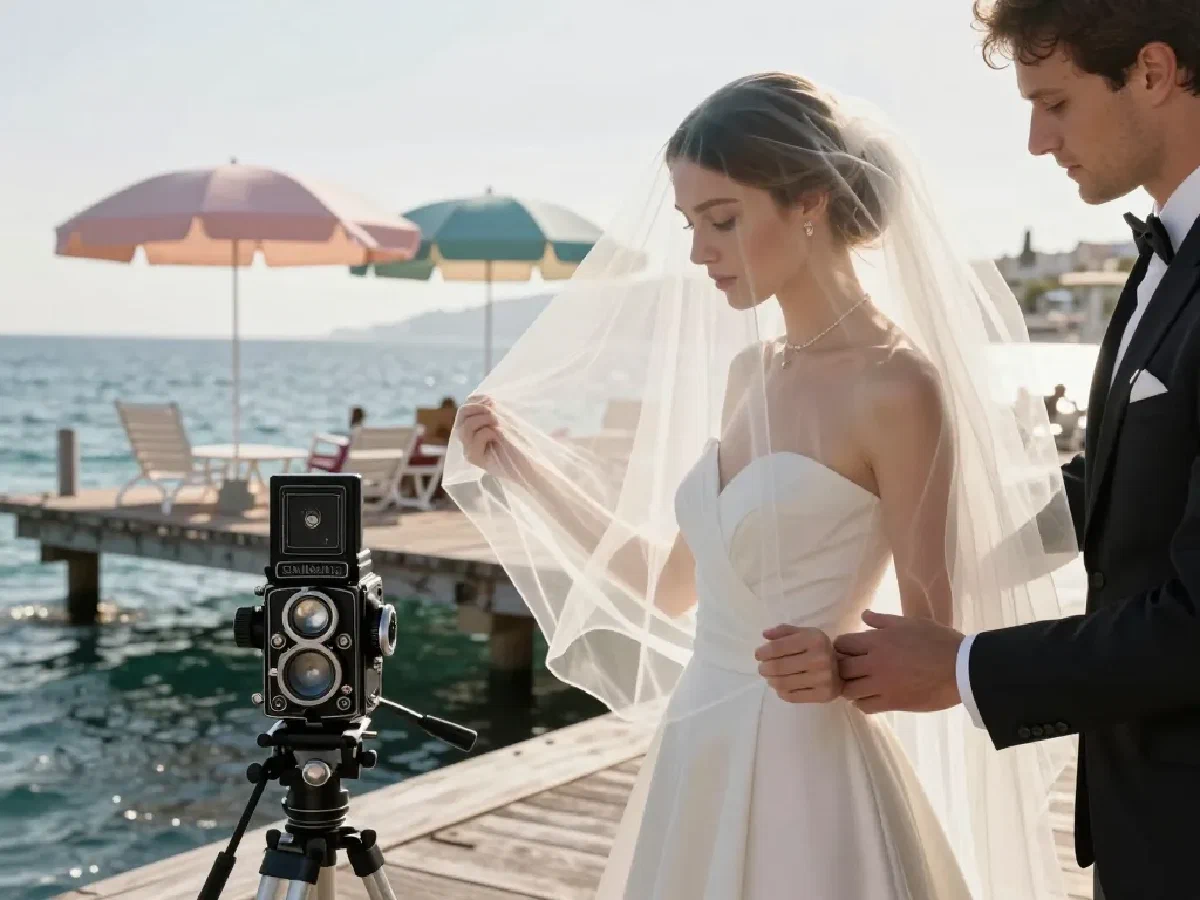
The sun spills gold across the terrace, the sea a shimmering silk below, and you pause, bouquet in hand, to catch your breath—this is the moment you’ve imagined, and yet the camera’s click feels like a gamble you haven’t fully considered.
Finding the perfect French Riviera wedding photography package isn’t about comparing price lists or counting hours; it’s about trusting someone to capture the salt air, the nervous laughter, and the way your partner’s hand trembles in yours against that endless blue. As you scroll through endless galleries, you realize every photographer promises “magic,” but only a few understand the Riviera’s unique light—harsh at noon, tender at dusk, and unforgiving if you don’t know where to stand.
This guide walks you through the hidden choices behind each package, from coverage windows to album craftsmanship, so you can select not just a service, but a story that feels like your own. By the end, you’ll know exactly which questions to ask, which red flags to avoid, and how to turn a logistical decision into the most treasured keepsake of your once-in-a-lifetime day.
What Do French Riviera Wedding Photography Packages Actually Include
You’re standing on a sun-bleached terrace in Èze, the Mediterranean glittering far below, and your planner just handed you a list of photography packages that all blur together. Every one promises “memories,” but what you really need to know is what you’re getting for your money—and what you’ll be missing if you choose wrong. The truth is, a French Riviera wedding photography package is less about a price tag and more about the hours, the people, and the little logistical details that turn a shoot into a seamless part of your day.
A Typical Half Day of Coverage and What You Can Expect
Imagine waking up in a villa in Cap Ferrat, the light already golden through the shutters. A half-day package usually starts around four to five hours of continuous coverage, and it’s perfect if your celebration is intimate—a civil ceremony at the Mairie in Villefranche, a small lunch on a private beach, or a quiet elopement in the hills above Menton. In those hours, your photographer will typically cover the final preparations, the ceremony itself, and a brief portrait session right after. You won’t get the full reception, so be honest with yourself about what matters most: if the dancing and the late-night toasts are the heart of your day, a half-day will feel like a tease.
What you can expect from a good half-day package is a focused, unhurried rhythm. The photographer arrives early to scout light, works quietly through the vows, and then pulls you aside for twenty minutes of portraits while your guests sip champagne. Many packages in this range include one photographer, a second shooter for the ceremony only, and a basic online gallery. It’s a practical choice, but you’ll need to plan your timeline tightly—there’s no buffer for a late hairdresser or a slow lunch.
Full Day and Multi Day Options for Extended Celebrations
Now picture a full day: the morning starts with the dress being buttoned, your mother’s hands on your shoulders, and it doesn’t end until the last guest has stumbled onto the water taxi at 2 a.m. Full-day packages on the French Riviera typically span eight to ten hours, and they’re the standard for weddings that include a traditional church service, a long cocktail hour on a cliffside lawn, and a sit-down dinner under string lights. You’ll have your photographer for the entire arc of the day, which means they can catch the nervous glance before the first look, the tear during the speeches, and the chaos of the first dance.
Multi-day options are where the Riviera truly shines, because so many couples turn their wedding into a long weekend. A two-day package often covers a welcome dinner in Antibes old town on the first evening, then the full wedding day itself. Three-day packages might add a post-wedding brunch or a private shoot at a location like the Villa Ephrussi de Rothschild, where the gardens change character with the afternoon light. These extended packages give you breathing room—if the weather turns on your wedding day, you have a built-in second chance for portraits. They also let you work with the same photographer across different settings, so your story feels cohesive rather than patched together.
A typical full-day or multi-day package will include:
- One lead photographer plus a second shooter for the entire event
- A pre-wedding consultation and a detailed timeline planning session
- Travel throughout the Nice, Cannes, and Monaco corridor
- A curated online gallery with high-resolution downloads
- A set number of edited images, usually from 400 to 800 for a full day
Understanding Online Galleries, Print Rights, and Album Add Ons
You’ve just finished your first look, and your photographer hands you a card with a login code. That’s your online gallery—the digital home for every edited image from your day. Most packages include a private gallery that stays active for several months, and it’s where you’ll download your files, order prints, and share the link with family who couldn’t make the trip. The key thing to check is the print rights: some packages give you full personal usage rights, meaning you can print at any lab and share on social media freely. Others restrict you to a specific print lab or limit the resolution of the downloads.
Albums are where couples often get caught off guard. A beautiful leather-bound album with thick, matte pages can cost anywhere from €400 to €1,200 on top of your base package, depending on the size and number of spreads. Many photographers offer album add-ons that let you design the layout yourself or work with their designer, and it’s worth asking if the album is included in your package or if it’s an extra. You’ll also want to clarify how many images are edited—some packages advertise “all images” but then cap the number at 300, while others guarantee a minimum and often deliver more. Read the fine print about delivery time too: a full wedding can take six to eight weeks to edit, and a multi-day shoot even longer. The best packages are transparent about these numbers upfront, so you’re not left wondering why your gallery is empty while your mother-in-law keeps asking for photos.
When you’re comparing French Riviera wedding photography packages, ask about the less glamorous details: backup storage, what happens if the photographer is ill, and whether the gallery is password-protected. A good package should feel like a safety net, not just a collection of pretty promises. And remember, the right package isn’t the cheapest or the most expensive—it’s the one that matches the pace of your day and the places you love most.
How Much Should You Budget for a French Riviera Wedding Photographer
You’re standing on a sun-bleached terrace in Èze, the Mediterranean glittering below, and the person beside you whispers, “So… what did the photography actually cost?” You laugh, because you’ve already signed the contract, but the truth is, you had no idea what to expect until you started asking. Budgeting for a French Riviera wedding photographer isn’t about picking a number out of thin air—it’s about understanding what drives the price, what you’re truly paying for, and where you can bend the details without losing the magic.
The Real Cost of Half Day Versus Full Day Coverage
Most couples assume that a half-day package simply means fewer photos, but the real difference is the arc of your day. A half-day session—typically four to five hours—usually covers either the preparation and ceremony or the ceremony and cocktail hour, but rarely both. You’ll get stunning, focused storytelling, but you’ll miss the quiet moments of the morning or the chaos of the dance floor. Full-day coverage, on the other hand, runs from first look to last spin, often eight to ten hours, and that’s where the true narrative lives.
In terms of budget, expect to pay from €1,800 to €3,500 for a half-day package and from €3,500 to €7,000 for full-day coverage on the French Riviera. The gap isn’t just time—it’s stamina, equipment, and the photographer’s ability to stay creatively sharp for twice as long. A full-day shoot also means a second shooter is often included, which adds a different angle and a safety net for missed moments. If you’re torn, ask yourself: which hour of your wedding would you regret not having photographed? That answer usually tells you which package to choose.
Why Travel and Accommodation Fees Appear on Your Invoice
You’ve found a photographer whose portfolio makes your heart race, but they’re based in Paris, not Nice. Suddenly, your quote includes travel fees, and you feel a flicker of annoyance. Here’s the thing: the French Riviera is a destination, and photographers from elsewhere are factoring in train or flight costs, a hotel for at least one night (often two, since the wedding day can end late), and the logistical time spent moving equipment. It’s not a markup—it’s a reality of the region’s geography.
A local photographer based in Cannes or Antibes will rarely charge travel, but they may have a higher base rate because they’ve invested in understanding the light, the venues, and the backup routes when the Mistral wind kicks up. For a photographer coming from farther away, travel fees typically range from €300 to €800, depending on distance and season. Some packages bundle this into the total, while others list it separately—always ask. If you love an out-of-town photographer, consider extending their stay to cover a rehearsal dinner or a post-wedding brunch shoot; that turns a fee into an added value rather than a hassle.
Getting More Value from Off Season and Negotiable Packages
Here’s a secret most couples don’t realize: the French Riviera has two distinct wedding seasons. The peak runs from June to September, when the weather is flawless and the prices are at their highest. But October, April, and May offer golden light, fewer crowds, and photographers who are far more willing to negotiate. If you’re flexible with your date, you can often secure a premium photographer’s full-day package for what they’d charge for a half-day in July.
When it comes to negotiation, focus on what you can swap rather than asking for a discount outright. Many photographers are open to trading hours for an album, or dropping a second shooter in exchange for an engagement session at a cliffside viewpoint. Here’s a quick comparison to guide your conversation:
| Package Element | Peak Season (June–Sept) | Off Season (Oct–May) | Negotiable Swap |
|---|---|---|---|
| Full-day coverage (8–10 hrs) | €4,500–€7,000 | €3,000–€5,000 | Drop second shooter for €800 off |
| Half-day coverage (4–5 hrs) | €2,000–€3,500 | €1,500–€2,500 | Add engagement session instead of album |
| Travel fees (non-local) | €500–€800 | €300–€600 | Waive if you book 2 consecutive days |
| Print album (10×10) | €600–€1,200 | Included in some packages | Swap for digital-only rights |
| Online gallery delivery | 4–6 weeks | 2–4 weeks | Priority editing for €200 extra |
The key is to ask what’s flexible before you sign. Photographers on the Riviera are used to high-season pressure, but they’re also human—they’d rather adjust a package than lose a booking entirely. When you’re comparing French Riviera wedding photography packages, remember that the most expensive option isn’t always the best fit. The right package is the one that captures your day without breaking your trust or your bank account.
Navigating Local Logistics and Legalities for Your Photography Day
The villa is booked. The dress is chosen. The date is set. But until you’ve untangled the web of local permits and civil ceremony timing, your photographer is just a dreamer with a camera. On the French Riviera, the difference between a seamless shoot and a chaotic scramble often comes down to how well you understand the region’s specific rules. Here’s how to turn logistics from a headache into a quiet ally, so your only job on the day is to smile.
The Civil Ceremony at the Mairie and How It Shapes Your Timeline
You’re standing outside the ornate doors of a stone mairie in Villefranche-sur-Mer, the Mediterranean glinting a hundred meters away. But your photographer is nervously checking their watch because the mayor’s schedule runs on its own rhythm. In France, the legal wedding—the civil ceremony at the mairie—is non-negotiable, and it dictates everything that follows. Unlike a symbolic vow exchange on a cliff, this ceremony has a fixed slot, often booked months ahead, and it rarely bends. Your photographer needs to know exactly when you’ll exit those doors, because the golden hour after the handshake and the signing is when the real magic happens—but it’s also when the light starts its dramatic fade.
Build your timeline backward from that exit time, not forward from your morning hair appointment. Most couples allocate 45 minutes to an hour for the mairie itself, including the signing and brief congratulations outside, but the real lesson is in the buffer. Traffic along the Corniche can add twenty unexpected minutes, and the mayor’s assistant might ask for a last-minute group photo with the town council. A wise move is to schedule the mairie for late afternoon, around 3:30 or 4:00 PM, so that the subsequent portrait session flows naturally into the soft, warm light of early evening. Your photographer will thank you for not forcing them to shoot the legal ceremony at high noon, when the sun turns everyone’s faces into sharp shadows.
Golden Hour Scheduling to Beat the Riviera Sun and Coastal Glare
The Riviera sun is a diva—it dazzles, but it also blinds. At midday, the light bounces off the whitewashed walls of Èze and the azure water with such intensity that even the most skilled photographer struggles to avoid squinting eyes and washed-out skin. The secret is to treat golden hour not as a suggestion but as a sacred appointment. That means your entire afternoon should be choreographed so that the most important portraits—the couple shots, the bridal party, the walk along the promenade—happen within the last two hours before sunset. In the summer months, that could be as late as 9:00 PM, so plan for a later dinner and a longer, more relaxed shoot.
But golden hour isn’t just about the clock; it’s about positioning. On the coast, the sun sets over the sea to the west, which means you want the ocean behind you and the warm light raking across your faces, not glaring directly into the lens. Your photographer should scout the location a day prior to check for haze, cloud cover, and the exact angle of the setting sun. A practical list for your planning session:
- Confirm sunset time for your exact date and location, then schedule the couple’s shoot to start 90 minutes before that.
- Choose a beach or cliffside spot where the sun is behind your shoulders, not in your eyes.
- Have a backup indoor location—a hotel terrace with awnings or a shaded garden—for the 30 minutes of harsh glare just before golden hour begins.
- Ask your photographer to bring a diffuser or scrim for the mairie steps, where the light is often unforgiving.
This kind of planning turns the Riviera’s intense sun from an enemy into a collaborator, giving you that luminous, honey-toned glow that makes every frame look like a film still.
Permits and Venue Policies for Beaches, Parks, and Iconic Spots
You’ve dreamed of a shot on the pink sands of the Île de Sainte-Marguerite or in front of the cascading waterfalls of the Parc de la Valmasque, but here’s the quiet truth: many of these spots require paperwork that takes weeks to approve. The Riviera is a patchwork of municipalities, national parks, and private estates, each with its own rules about professional photography. A tripod, a large dress, or a second assistant can suddenly turn a casual shoot into a “professional production” requiring a permit. For beaches like Paloma in Saint-Jean-Cap-Ferrat, the local police may ask for a daily authorization, and for iconic spots like the Promenade du Anglais, you might need to work with the city’s event office.
The smartest move is to have your photographer or a local wedding planner handle the permit applications well in advance, and to treat the cost as part of your package. Permit fees vary, but budget realistically from €50 to €250 per location, depending on whether you’re on a public beach, a municipal park, or a private villa with its own restrictions. Some venues, like luxury hotels on the Cap d’Antibes, charge a separate photography fee that can range from €500 to €1,500 per session, so always ask before you assume. And here’s the golden rule: never rely on a quick “we’ll just do it fast” approach—rangers and security guards are vigilant, and the last thing you want is to be escorted off a cliffside just as the light turns perfect.
The best photography package on the French Riviera is the one that includes a dedicated logistics coordinator who handles permits and timing, so you can focus on the joy, not the paperwork.
When you compare French Riviera wedding photography packages, look beyond the number of hours and ask about their experience with local mairies, sunset angles, and permit processes. A package that promises ten hours but has no plan for the sun’s harshness is worth less than a shorter one built around the perfect light. Choose the photographer who treats the coastline as a partner, not just a backdrop, and your once-in-a-lifetime day will unfold with the ease of a gentle Mediterranean breeze.
How to Choose a Photographer Who Understands the French Riviera
You’re standing on a terrace in Èze, the Mediterranean glittering far below, and you realize the photos from this trip will be the only tangible proof you were ever here. The same logic applies to your wedding day—except the stakes are higher, the dress is longer, and the light is impossibly golden. Choosing a photographer for a French Riviera wedding isn’t just about liking their Instagram feed; it’s about finding someone who can translate the region’s dramatic coastlines, ancient stone villages, and ever-shifting sea breeze into images that feel like you. The right package isn’t a checklist—it’s a partnership built on trust, logistics, and a shared visual language.
Reviewing Portfolios for Light, Landscape, and Local Style
Begin by ignoring the pretty couples and staring at the backgrounds. A photographer who truly understands the French Riviera will have a portfolio that feels less like a wedding album and more like a love letter to the Côte d’Azur. Look for how they handle the harsh midday sun reflecting off whitewashed walls, or the soft, rosy glow of sunset over the Cap Ferrat peninsula. Do their images show the texture of old stone, the shimmer of the sea, the way bougainvillea casts shadows on a cobblestone alley? Local style isn’t just about posing—it’s about knowing that a beach ceremony in Cannes requires different lens work than a château wedding in Grasse.
Ask yourself if their editing leans too heavily on filters that wash out the Riviera’s natural saturation—the turquoise water, the ochre rooftops, the deep green of olive groves. A true local will let the landscape breathe, not fight it. Also, check for consistency: one stunning shot in a portfolio is easy; a dozen that make you feel the salty air is the real signal. If you see the same clichéd Eiffel Tower shots or generic studio backdrops, move on. The Riviera has its own visual grammar, and your photographer should be fluent in it.
Questions to Ask About Backup Plans and Second Shooters
You’ve found someone whose work makes your heart race, but now you need to talk logistics—the unromantic part that saves your day. The French Riviera is famous for sudden mistral winds, pop-up rain showers, and the occasional overzealous seagull. A professional package should include clear, written answers to what happens if the sky opens during your first look. Don’t be shy: ask if they have a local second shooter who knows the terrain, because a second pair of eyes matters when you’re juggling a veil in the wind or a groom fumbling with cufflinks.
Here’s a practical checklist to run through before you sign anything:
- Do they have a physical backup camera body and lenses on-site at all times?
- Is there a named local backup photographer who can step in if they fall ill or face travel delays?
- What’s their plan for cloud storage and off-site backup of your raw files within 24 hours of the wedding?
- Do they have a written agreement for what happens if the memory cards are corrupted or lost?
A photographer who hesitates or gives vague answers is a red flag. The best packages build these contingencies in without extra cost, because they’ve seen weddings go sideways on the cliffs of Monaco and they’ve still delivered. You’re not asking for a guarantee of perfect weather—you’re asking for a guarantee that they’ll handle the chaos with grace.
Booking Early for High Season and Securing Your Preferred Date
The Riviera’s wedding season is a sprint, not a marathon. From the first warm weekends of spring to the lingering golden evenings of early autumn, top photographers are often booked a year or more in advance. If you’ve found your match, don’t wait for the perfect engagement ring photo to be posted before you send an inquiry. The moment you have a venue and a date, reach out. Many talented photographers in Nice, Saint-Tropez, and Antibes only take a handful of weddings each month to preserve their creative energy, so the early bird genuinely gets the sunset slot.
When you’re comparing packages, remember that high-season demand can push prices upward, but that doesn’t mean you should overpay for extras you don’t need. A typical full-day package with a second shooter, an engagement session, and digital delivery of all edited images might range from €2,500 to €6,000 per wedding, depending on the photographer’s reputation and the number of hours. Don’t be afraid to ask for a custom quote if you only need six hours or if you want a pre-wedding scout of your venue. Securing your preferred date isn’t just about a signature—it’s about having the peace of mind that your story will be told by someone who already knows where the light falls at 7 p.m. in Villefranche-sur-Mer.
The best time to book your Riviera photographer is the day after you book your venue—because the light waits for no one, but a good contract waits for you.
The Perfect Frame for Your Forever
The golden light spills over the sea. The last dance fades into the hum of the evening. And then it hits you—those photographs aren’t just images. They’re doorways back to every laugh, every nervous glance, every breeze that carried your vows. Choosing the right French Riviera wedding photography package isn’t about comparing price lists or counting hours. It’s about finding the storyteller who sees your day the way you feel it. Trust your instinct when a portfolio makes your heart skip. Ask the questions that matter—how they handle the shifting coastal light, how they move through a crowd, what they’ll do when the mistral kicks up. Once you’ve found that connection, the next step is simple. Book a call. Share your vision. Let them craft a package that feels as bespoke as your love. Years from now, when you look back at those frames, you won’t remember the logistics. Only the truth of that moment, captured exactly as it was meant to be.
Frequently asked questions
I'm dreaming of a wedding on the French Riviera, but I have no idea where to start with photography. What does a typical package actually include?
We're planning a multi-day celebration with a welcome dinner and a post-wedding brunch. Can your packages stretch across those extra days?
We're getting married in a tiny village with no big hotel, and our guests are scattered across different towns. How do you handle travel and logistics?
The light on the Riviera is famous, but it can be harsh at noon. How do you handle the bright Mediterranean sun for outdoor ceremonies?
We want candid, documentary-style photos, but our families really want formal group shots. How do you balance both in a package?
We're eloping, just the two of us, on a beach near Saint-Tropez. Is there a smaller, more intimate package for just a few hours?
What about the editing and delivery? How long until we see our photos, and what do we actually receive?
We're worried about the cost—weddings on the Riviera can be pricey. What's a realistic budget for a photography package?
We're having a winter wedding in Nice—will the photos look as vibrant as the summer ones?
We have a destination wedding planner, but we're doing the photography research ourselves. How far in advance should we book?
View recommended photographers
Affiliate disclosure: this site may earn a commission when you book through links on this page, at no extra cost to you.
View recommended photographersRelated guides
How the Golden Hour Turns a Cannes Sunset into Your Most Unforgettable Wedding Photo
As the sun melts into the Bay of Cannes, golden light wraps around you—here’s how to turn that fleeting glow into your most breathtaking, unforgettable sunset wedding photograph.
The French Riviera Elopement Photographer Who Makes Far From Home Feel Like Forever
Cannes wedding photographer for international couples—capturing your love story on the French Riviera, turning a far-from-home elopement into a timeless forever.
How to Find the Cannes Wedding Photographer Who Turns Luxury Hotel Moments Into Forever Memories
Inside a sunlit suite overlooking the Croisette, your dress catches the light—find the Cannes luxury hotel wedding photographer who turns fleeting moments into timeless, cinematic memories.