Finding the Right Documentary Wedding Photographer in Cannes: A Complete Guide
Discover how to find the perfect documentary wedding photographer in Cannes. Tips on style, storytelling, and choosing the right fit for your day.
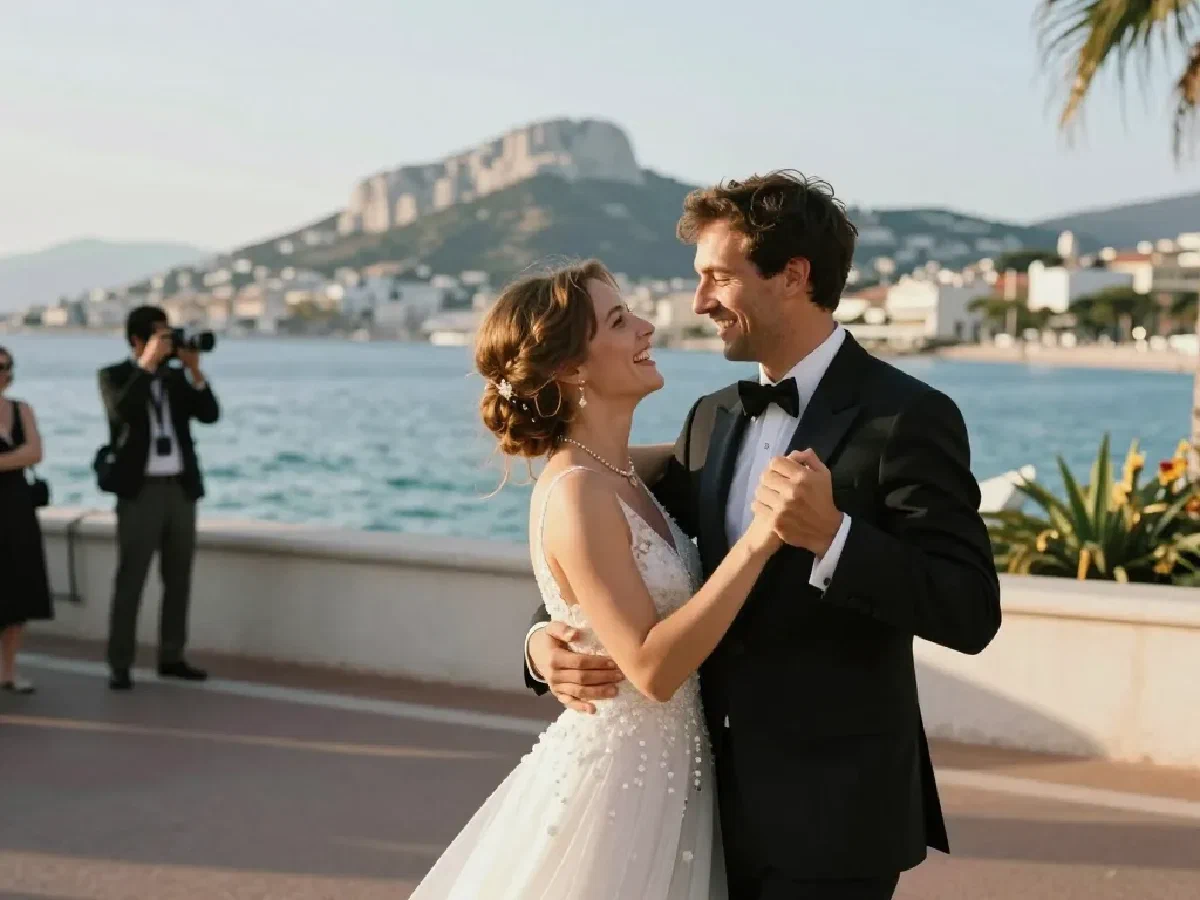
Your wedding day in Cannes is fleeting—a beautifully chaotic masterpiece. Only a documentary photographer can capture it as it unfolds, with no posed interruptions. Yet finding the right one among the Riviera’s many talented shooters can feel overwhelming. You’re balancing style, budget, and the unique logistics of a coastal French celebration. This guide walks you through every step: understanding the documentary approach, navigating local venue quirks, handling legal paperwork, and working with the Mediterranean’s unpredictable light. You’ll learn to vet portfolios, decode pricing structures, and manage the practical realities of shooting on beaches, in historic hotels, and under the summer sun. By the end, you’ll have the confidence to book a photographer who tells your story authentically—and the knowledge to make the process feel effortless.
Understanding Documentary Wedding Photography
What Sets This Style Apart
Documentary wedding photography—also called reportage or photojournalistic—rests on a simple yet radical idea: the photographer observes quietly rather than directs. There are no orchestrated poses, no lining up relatives, no asking you to reenact that first kiss. Instead, the photographer moves through your day with a sharp eye, capturing real, unscripted moments as they happen. Authenticity comes first; perfection takes a back seat. Think of the tear in a father’s eye when he first sees his daughter, the bridesmaid’s sudden laugh while fixing a veil, or a dance move nobody planned. Working with natural light and minimal interference, the photographer fades into the background, letting your wedding unfold exactly as it would with no camera around. What you get isn’t a string of posed portraits but a cohesive visual story—one woven from genuine emotions, fleeting expressions, and candid exchanges. The final gallery feels less like an album and more like a living memory, something to revisit and discover details you missed amid the whirlwind.
Why It Suits a Cannes Wedding
Cannes shines brightest when nothing is scripted. The Mediterranean light—famously soft and golden—casts long, flattering shadows that a documentary photographer can use instinctively, no need to position you anywhere. The coastal scenery offers a rich, ever-shifting backdrop: pastel facades in Le Suquet’s old town, sleek lines of the modern marina, and the lively street scene along the Croisette, with café terraces buzzing and fishermen hauling their catch at the Vieux Port. A documentary lens lets these elements drift naturally into your photos, woven into the day rather than staged against it. You won’t be asked to freeze stiffly before the Palais des Festivals or fake a walk along the promenade. Instead, your photographer might catch you laughing with a vendor at the Marché Forville or stealing a quiet moment on a side street away from it all. This style celebrates the real Cannes—not the postcard version—and in doing so, it delivers photographs that feel unmistakably yours, rooted in the true atmosphere of the Riviera.
Planning for the Legal and Venue Realities
The Mairie Ceremony
In France, the legal wedding ceremony must take place at the local town hall, or mairie. It’s not a symbolic option but a legal requirement—and it often happens on a different day or earlier in the afternoon than the celebratory portion of your wedding. For a documentary photographer, the mairie offers a rich storytelling environment: the formal signing of the register, the exchange of rings, a parent’s quiet tears, and the couple’s palpable relief as the legal weight lifts. Yet this is also the most protocol-sensitive part of your day. A skilled documentary photographer works quietly, relying on available light and long lenses to avoid interfering with the officiant’s script. Before the date, confirm with the mairie’s civil registry that photography is permitted inside the ceremonial hall. Some town halls restrict movement to a designated area; others ask that the photographer remain seated. Share these rules with your photographer in advance so they can adapt without missing a beat.
Venue-Specific Considerations
Your venue choice dramatically shapes the photography plan. Seafront hotels along the Croisette, private villas with sprawling gardens, and municipal heritage buildings each enforce distinct regulations. For hotel grounds or the public promenade, a photography permit is often required—sometimes weeks in advance. Your photographer may need to submit a list of equipment or a shooting schedule to the hotel’s event manager. Private villas, while more flexible, may have homeowners’ association rules or insurance requirements for vendors. Always ask about restrictions on flash, tripods, or even where the photographer can stand during the ceremony. Some venues prohibit photographers from entering the aisle or moving between tables during dinner. A documentary photographer thrives on unobtrusive movement, so knowing these boundaries beforehand lets them pre-plan positions, anticipate key moments, and capture genuine reactions without ever stepping out of line. Coordinate all of this with venue staff and your photographer at least two weeks prior. That way, on the day itself, the only thing anyone focuses on is the emotion unfolding naturally in front of the lens.
Navigating the Cannes Climate and Light
Working with the Mediterranean Sun
Cannes in summer dazzles—but it also punishes. From late morning to mid-afternoon, the Mediterranean sun sits high and unforgiving, carving harsh shadows beneath eyes and washing the old town’s soft pastels into pale white. A documentary photographer worth their salt won’t ask you to squint into that glare. Instead, they’ll build your day around the golden hours: the first two after sunrise, when amber light rakes across the Croisette, and the final two before sunset, when the sea turns to liquid copper. In between, the playbook shifts to shade—the deep arches of Le Suquet’s narrow lanes, the dappled cover along the Palm Beach promenade, the cool hush of a stone chapel or a hotel lobby with floor-to-ceiling windows. Your timeline should follow suit: ceremony and formal groupings in the morning, a long, unhurried lunch indoors during peak heat, then couple’s portraits and reception details as the sun dips west. This rhythm protects everyone. You avoid sweat-soaked silk; your photographer avoids hauling gear through 30-degree heat. Agree on it early, and you’ll both reach the evening celebration with energy to spare.
Seasonal and Weather Adjustments
Summer may be the dream season, but spring and autumn are the quiet weapons of documentary work in Cannes. From April to June and September to October, the light softens, the crowds thin, and a salt breeze replaces the heat haze. These shoulder seasons let your photographer move freely—no dodging tourists, no racing between shade pockets. Still, even then, the sun can surprise. A late-spring heatwave or an early-autumn mistral can shift conditions within the hour. Heat is also a technical foe: memory cards warp, lenses fog, batteries drain faster. A documentary photographer will carry backup bodies and lens cloths, but your cooperation matters too. Build hydration breaks into the schedule, and keep an air-conditioned car or shaded terrace nearby for a ten-minute reset. And if a cloudburst rolls in off the sea? Trust your photographer to pivot. Overcast light flatters candid work, and a sudden downpour on the cobblestones can yield some of the most authentic frames of the day. The rule is simple: you set the timing, they read the sky, and together you let Cannes do the rest.
Choosing the Right Photographer for Your Needs
Evaluating Experience and Portfolio
Your first glimpse into a documentary wedding photographer in Cannes is their portfolio—and it speaks volumes. Don’t stop at the highlight reels curated for social media. Ask for complete galleries from an entire wedding day. A true storyteller will show you the quiet moments between grand gestures: the nervous glance before the ceremony, a parent’s tearful embrace, the unscripted laughter during speeches. Request full weddings shot in Cannes or along the French Riviera. This reveals how they handle the region’s particular demands—harsh midday Mediterranean light, shifting shadows on a seaside terrace, and the intimate, dim interiors of historic chapels or luxury hotels. Their unobtrusive approach matters just as much. Do the images feel natural, unposed? Do they capture genuine emotion without staging it? A strong portfolio demonstrates consistency, whether covering an intimate elopement of ten guests or a lavish reception for three hundred, adapting seamlessly while retaining a signature style.
Coverage Options and Travel Logistics
Cannes weddings rarely fit into a single day. Many couples stretch the celebration across several: a rehearsal dinner, a civil ceremony at the town hall, a religious blessing, a grand reception—and often a post-wedding shoot along the Croisette or in the hills of Èze. Your photographer should offer flexible coverage packages to match. Decide early which moments are non-negotiable. Do you need only the ceremony and reception, or a photographer present for the entire multi-day affair? Most regional photographers provide half-day, full-day, or multi-day options, with pricing from €1,500 to €4,500 per day depending on experience and scope. A multi-day package often delivers better value than booking separate single-day sessions. Confirm travel logistics, too. If your photographer is based in Cannes, check whether travel from hubs like Nice or Monaco is included in the quoted price. And if you’re planning a shoot at a different venue, ensure travel time and any necessary permits are covered—so your final invoice holds no surprises.
Budgeting and Booking with Confidence
Understanding Price Ranges
A documentary wedding photographer in Cannes is an investment in storytelling, not just a line-item cost. For full-day coverage, expect to pay anywhere from €1,500 to €4,500. The final figure depends on the photographer’s experience, the hours you book, and whether travel between venues is included. Half-day packages—ideal for intimate elopements or ceremonies followed by a private dinner—often start at the lower end of that range. Planning a multi-day destination wedding across the French Riviera, complete with welcome dinners or post-wedding shoots? Budgets can climb well beyond €4,500. Always request a detailed, itemized quote before comparing photographers. It should break down hours of coverage, travel costs (parking, ferry transfers, tolls), and any extra fees for overtime or album design. A vague estimate is a red flag; a transparent one lets you plan without surprises.
Questions to Ask Before Signing
Treat the initial consultation as a two-way interview. Ask pointed questions that reveal how the photographer handles real-world pressure:
- What is your backup plan if you are ill or have an emergency on the wedding day?
- Do you have liability insurance and any required local permits for shooting in Cannes public spaces or venues?
- How many images will we receive, and in what format—high-resolution files, a private online gallery, or both?
- What is your editing turnaround time for the full set of images?
- Are there extra charges for a second shooter or an engagement session?
- Can you provide references from recent Cannes weddings, particularly at venues similar to yours?
A clear contract that specifies hours, deliverables, and cancellation policies is your best protection. Never book solely on a single meeting’s charm; verify their logistical knowledge of Cannes venues and legal requirements.
A photographer who has shot at the Palais des Festivals or along the Croisette will know where the light falls at sunset, how to navigate guest lists at seaside terraces, and which indoor spaces require flash. Their answers will tell you whether they are merely available or genuinely prepared. Trust, after all, is built on specifics—not just a warm smile across a café table.
Conclusion
Choosing a documentary wedding photographer in Cannes comes down to trust—trusting someone to capture the real, unposed moments of your day, not just the polished portraits. This guide has given you the tools to navigate the distinct storytelling style, handle local legal requirements, plan for the unpredictable Côte d’Azur weather, and set a realistic budget that protects your vision. Now, shortlist three photographers whose portfolios resonate with you emotionally, then schedule video calls to discuss your venue, timeline, and personal expectations. Approach the search with clarity and intention, and you’ll find a photographer who becomes a quiet witness to your love story, preserving the laughter, tears, and fleeting glances for generations to come. Trust your instincts, ask the right questions, and let Cannes’ timeless beauty frame a narrative that is entirely yours.
Frequently asked questions
What exactly is a documentary wedding photographer in Cannes?
How is a documentary wedding photographer different from a traditional or posed photographer?
Why should I choose a documentary photographer specifically for a wedding in Cannes?
Will I get any posed portraits at all with a documentary wedding photographer in Cannes?
How far in advance should I book a documentary wedding photographer in Cannes?
What is the typical price range for a documentary wedding photographer in Cannes?
Do documentary wedding photographers in Cannes travel to nearby locations like Antibes, Nice, or Monaco?
What should I look for when reviewing a documentary wedding photographer's portfolio in Cannes?
How many photos will I receive, and in what format?
Can I meet my documentary wedding photographer in person before booking in Cannes?
View recommended photographers
Affiliate disclosure: this site may earn a commission when you book through links on this page, at no extra cost to you.
View recommended photographersRelated guides
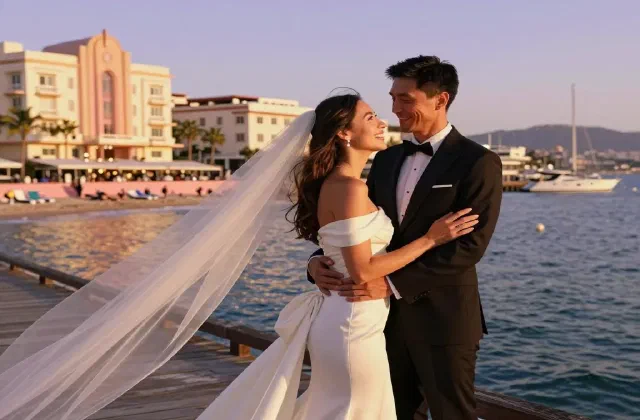
How the Golden Hour Turns a Cannes Sunset into Your Most Unforgettable Wedding Photo
As the sun melts into the Bay of Cannes, golden light wraps around you—here’s how to turn that fleeting glow into your most breathtaking, unforgettable sunset wedding photograph.
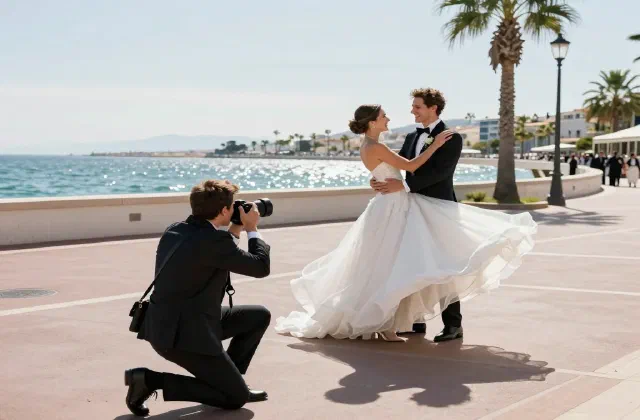
The French Riviera Elopement Photographer Who Makes Far From Home Feel Like Forever
Cannes wedding photographer for international couples—capturing your love story on the French Riviera, turning a far-from-home elopement into a timeless forever.
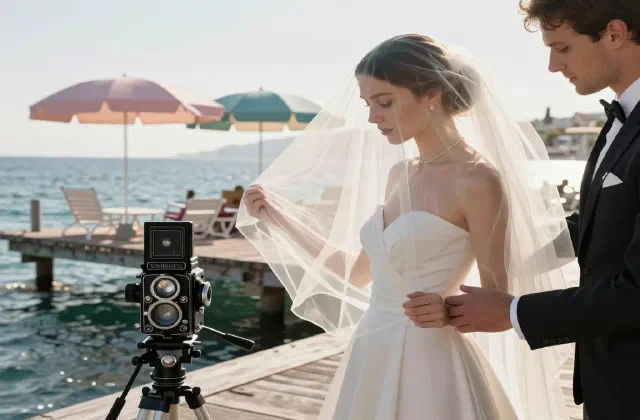
The Secret to Choosing the Perfect French Riviera Wedding Photography Package for Your Once in a Lifetime Day
Discover how to choose the perfect French Riviera wedding photography package, capturing every sunlit moment of your once-in-a-lifetime day.