Capturing Your Vows at the Cannes City Hall: The Civil Ceremony Photographer’s Guide
Discover expert tips for hiring a civil ceremony photographer in Cannes City Hall, capturing elegant vows with timeless, professional imagery.
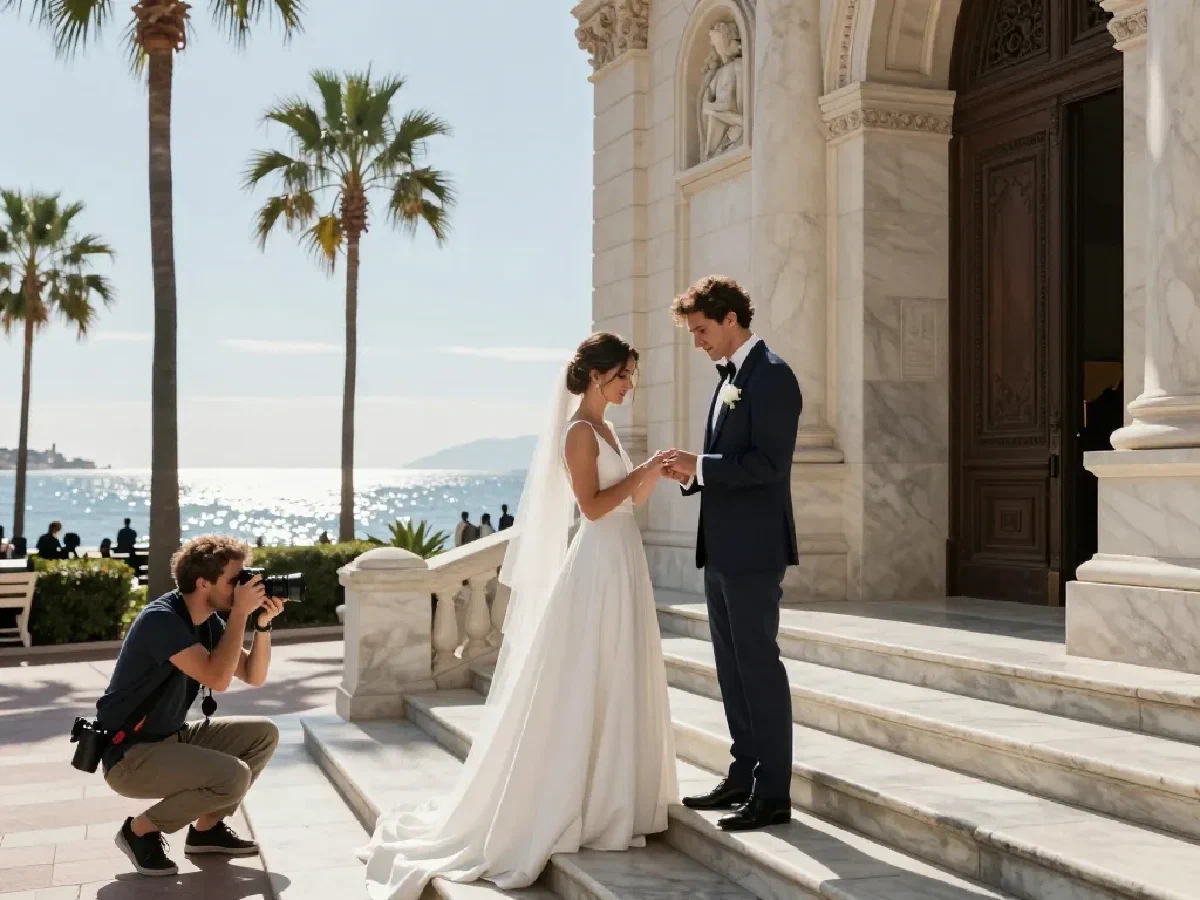
Your wedding vows deserve more than a place in your hearts—they deserve photographs that freeze the emotion of the moment. Few settings rival the marble halls and sea-bright light of Cannes City Hall. But a civil ceremony here comes with its own rules, tight timelines, and architectural quirks that can make or break your images. This guide covers everything you need to know about hiring a civil ceremony photographer at Cannes City Hall, from legal constraints and venue logistics to pricing and shot planning. You’ll learn how to prepare practically, what to expect on the day, and how to turn a short, formal ceremony into a gallery of timeless, candid-feeling portraits. By the end, you’ll feel confident in choosing the right photographer and directing them to capture the precise moments that matter most.
Understanding the Venue and Ceremony Dynamics
The Salle des Mariages and Its Visual Character
The marriage room at the Hôtel de Ville de Cannes is a Belle Époque masterpiece, and it commands a photographer’s full respect before a single frame is captured. High ceilings crowned with ornate moldings, glittering chandeliers, and tall windows spilling soft, diffused daylight across the parquet floor create an atmosphere both grand and intimate. Your task isn’t to fight this backdrop but to weave the couple into it. Wide-angle shots—taken from rear corners or a low, discreet spot near the side aisles—capture the room’s sweeping elegance, while tight close-ups of hands, the ring exchange, or a stolen glance against gilded paneling isolate raw emotion from the opulence around it. The ceremony itself lasts only twenty to thirty minutes, so pre-scouting is non-negotiable. Arrive before the guests, walk the perimeter, note where the officiant stands, where the register rests, and where the couple will face the assembly. Pinpoint three or four fixed positions offering clean sightlines to the ring exchange, the signing, and the declaration, and rehearse moving silently between them. During the vows, stay nearly invisible—gliding, crouching, waiting—never blocking a guest’s view or pulling the eye from the couple.
Legal and Procedural Constraints for Photography
French law guarantees civil ceremonies are public, and photography inside the Salle des Mariages is generally permitted. However, the officiant holds practical authority over the room’s decorum and may ask you to remain discreet, avoid the central aisle, and—most critically—refrain from flash. This isn’t a suggestion; it’s a working condition. Rely on available light, push your ISO with confidence, and carry fast prime lenses (f/1.8 or faster) to freeze subtle movement without artificial illumination. Before the wedding day, coordinate directly with city hall staff to confirm your entry point, where you can stand during the ceremony, and any movement restrictions once proceedings begin. Also clarify the status of the grand stone steps outside and the adjacent Place du Commandant Lamy, where post-ceremony portraits often happen. These are public spaces, but local rules may govern commercial photography, so a quick verbal confirmation saves you from an awkward interruption at the most joyful moment.
Preparing for the Shoot Before the Wedding Day
Initial Consultation and Contract Essentials
The initial consultation when booking a civil ceremony photographer in Cannes sets the tone for a smooth, stress-free day. Ask pointed questions about their experience with city hall weddings specifically—not just general event photography. Request a portfolio featuring ceremonies at Cannes City Hall or similar French municipal venues, so you can see how they handle tight schedules, crowded steps, and the marble-and-gilt interiors of the Salle des Mariages. Discuss the exact time slot assigned by city hall; it’s non-negotiable and shapes everything from lighting to logistics.
Your contract should spell out coverage duration—typically one to two hours for a civil ceremony package—plus the number of edited images you’ll receive. Clarify delivery format: digital gallery, fine-art prints, or a mix. For this short format, pricing generally falls between €200 and €800 per ceremony, depending on experience, editing workload, and whether a second shooter is included. Be explicit about pre-ceremony preparation coverage, like getting-ready moments at a nearby hotel, or whether coverage starts only at the ceremony. Many couples assume early arrival; confirm this in writing to avoid surprises.
Scouting and Shot List Planning
Ideally, a seasoned photographer scouts city hall in advance, mapping how light behaves at your specific ceremony time. Since city hall fixes the schedule, your photographer must adapt—capitalizing on soft window light in the morning or managing harsh midday sun on the Place du Commandant Lamy. Work together to build a realistic shot list: the couple’s arrival, waiting area, procession into the ceremony room, ring exchange, register signing, official declaration, exit, and group photos on the iconic steps. Prioritize must-have family combinations, and share the list beforehand so they can allocate limited minutes efficiently.
Capturing the Ceremony and Key Moments
Working Within the 20 to 30 Minute Window
The civil ceremony at Cannes City Hall is beautifully concise—usually over in under half an hour. That leaves no room for error, so arrive before the first guests. Use those early minutes to scout the room, preset white balance, and confirm your positioning with the officiant. A quick, quiet word about where you’ll stand—and where you won’t—saves awkward shuffling mid-vows. Once the ceremony begins, stay fluid. Alternate between wide shots that capture the grandeur of the Salle des Mariages and tight, intimate frames: clasped hands, the ring exchange, the bride and groom’s faces as they sign the register.
Flash is almost always banned in the ceremonial hall, so bring a fast prime—a 35mm or 50mm at f/1.8 or wider—and work with what’s there. Chandelier glow and window light create a warm, romantic mood, but it’s dim. Push the ISO with confidence and let the lens gather what the eye can barely see. The official declaration is the emotional peak. Stand slightly to the side of the officiant, angled toward the couple, to catch both their expressions and the decisive gesture without blocking guests’ sightlines. Shoot in short bursts, but move slowly and deliberately; the room is small, and every rustle carries.
Managing Guests and Group Photos
When the ceremony ends, the energy spills outside. The iconic steps of city hall and the adjacent Place du Commandant Lamy make a postcard-perfect backdrop—but they’re public, shared with curious tourists and locals. Claim your spot fast. Direct the group with clear, confident instructions, and use a step ladder or elevated angle to keep every face visible. Prepare a list of group combinations in advance: immediate family, then friends, then the full wedding party. Cycle through without confusion. Keep the whole session under fifteen minutes; guests drift, and patience runs thin. Late afternoon light is usually flattering, but the ceremony time is fixed. If the sun is harsh, use the building’s shadow, carry a collapsible reflector, or deploy subtle fill flash to soften shadows and brighten eyes. For a standard civil ceremony photography package in Cannes, couples can expect to invest anywhere from €450 to €1,200 per session, depending on coverage length and final album deliverables.
Adapting to Fixed Schedules and Lighting Conditions
Working with the City Hall’s Time Slot
Cannes City Hall runs on its own timetable, not yours. The registrar assigns a precise slot—often just twenty minutes—and that window won’t budge. Your couple might say “I do” at 10 a.m. beneath soft, directional morning light, at noon with the Mediterranean sun glaring straight down, or at 4 p.m. as golden hour seeps through the tall windows. Either way, you adapt on the spot.
Inside the Salle des Mariages, light is your main instrument. The room’s large windows bathe the space in natural daylight, yet its quality shifts dramatically by the hour. Morning ceremonies bring cooler tones and gentle shadows—set your white balance near 5500K and let the ambient light carry you. At midday, harsh angles create contrast on faces; position the couple facing the windows, then use a reflector or your own body to cut the worst glare. Late-afternoon slots reward you with warm, honeyed light—embrace it, expose for the highlights, and let the Belle Époque gilding glow.
For outdoor group shots on the steps or forecourt, never place your subjects with the sun behind them unless squinting faces and dark eye sockets are the goal. Instead, angle the group so the sun sits behind you, or soften shadows with a diffusion panel. A few seconds of repositioning saves hours in post.
Backup Plans for Weather and Unexpected Changes
Cannes may be famous for sunshine, but the Mistral can roll in sudden clouds or a sharp shower. Before the ceremony, scout the City Hall’s lobby and the covered arcades along the adjacent streets—these become your emergency studio. A clean marble wall and even, diffused light from an overhang can yield portraits that rival any outdoor setting.
If the ceremony runs late—and it often does—don’t panic. Prioritize the non-negotiable shots: the ring exchange, the register signing, the first kiss, the exit through the main doors. Everything else is flexible. Keep spare batteries, at least two memory cards, and a backup body in your bag; a twenty-minute window leaves no room for a dead shutter.
Finally, ask the couple in advance whether they want black-and-white edits. The City Hall’s ornate mouldings, marble floors, and wrought-iron details translate superbly into monochrome, and knowing their preference lets you compose with contrast and texture in mind from the first frame.
Pricing, Packages, and Post-Production
Understanding Price Ranges and What They Include
For a civil ceremony photographer in Cannes, a short 1–2 hour package typically runs from €200 to €800 per session. The final price hinges on the photographer’s experience, reputation, and the depth of editing and delivery. A budget-friendly package might offer 50 to 100 edited images, delivered online within two weeks. At the higher end, you could get a second shooter, a print album, or same-week turnaround. To avoid surprises, always request a detailed breakdown of what’s included—travel fees, editing time, and the exact number of final images. Also, ask upfront about overtime charges, especially if your ceremony or group photos might run long.
Post-Production and Delivery Expectations
Once the ceremony wraps, the photographer typically corrects exposure, color balance, and composition, sometimes delivering both color and black-and-white versions of key shots. You’ll usually receive a link to an online gallery with high-resolution downloads; prints or albums may be available as add-ons. Be sure to ask about turnaround time—anywhere from a few days to several weeks—and whether you’ll get the full set or just a curated selection. Since civil ceremonies are brief, the focus is on candid, documentary-style shots that capture the emotion of the moment, so expect a blend of formal portraits and spontaneous frames.
When comparing quotes, scrutinize what’s not included. Many photographers in Cannes use the iconic city hall steps and nearby waterfront as standard backdrops, but some charge extra if you want to extend the shoot to the adjacent square or the old port. Also, confirm the contract specifies usage rights—vital if you plan to post images on social media or submit them to a wedding publication. A transparent contract listing exact deliverables, from the number of edited files to the gallery format, protects both sides and ensures you get precisely what you envisioned. And remember: the cheapest option isn’t always the best value. A slightly higher investment often means more polished editing, faster delivery, and a photographer who navigates Cannes city hall’s logistics with ease.
Conclusion
You now have what it takes to hire and work with a civil ceremony photographer at Cannes City Hall—and to keep every meaningful moment of your short but significant ceremony beautifully preserved. Whether it’s navigating the venue’s specific rules or coordinating timing and shot lists, these tools can turn a brief legal ritual into a gallery of heartfelt images. So, your next move? Reach out to a photographer who knows the city hall’s rhythm. Share your timeline, then trust them to capture the quiet joy of the moment you say “yes” in the heart of the Riviera. With the right preparation, your civil vows become more than a formality—they become a story worth reliving for a lifetime.
Frequently asked questions
What exactly does a civil ceremony photographer in Cannes city hall cover?
How early should I book a photographer for a Cannes city hall civil ceremony?
Do I need a special permit to photograph inside the Cannes city hall ceremony room?
Can the photographer take photos of the wedding party on the city hall steps and the nearby waterfront?
What is the typical duration of a civil ceremony photography session in Cannes?
What should I look for in a photographer experienced with Cannes city hall ceremonies?
How much does a civil ceremony photographer in Cannes city hall typically cost?
Will the photographer deliver the photos digitally or as prints?
Can I have both a civil ceremony photographer and a videographer at the same time in Cannes city hall?
What happens if it rains on the day of my civil ceremony in Cannes?
View recommended photographers
Affiliate disclosure: this site may earn a commission when you book through links on this page, at no extra cost to you.
View recommended photographersRelated guides
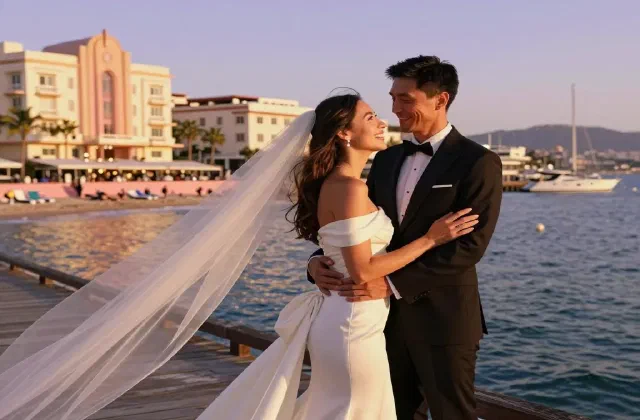
How the Golden Hour Turns a Cannes Sunset into Your Most Unforgettable Wedding Photo
As the sun melts into the Bay of Cannes, golden light wraps around you—here’s how to turn that fleeting glow into your most breathtaking, unforgettable sunset wedding photograph.
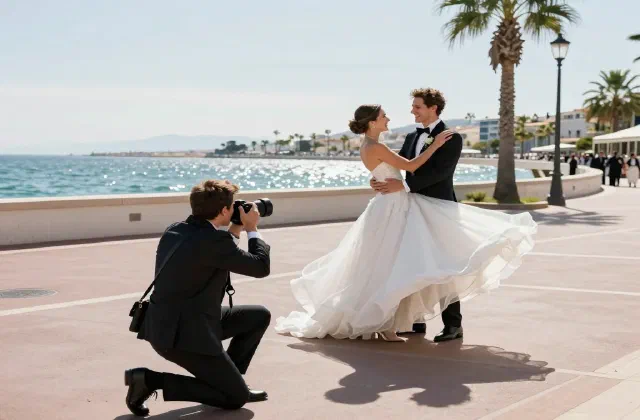
The French Riviera Elopement Photographer Who Makes Far From Home Feel Like Forever
Cannes wedding photographer for international couples—capturing your love story on the French Riviera, turning a far-from-home elopement into a timeless forever.
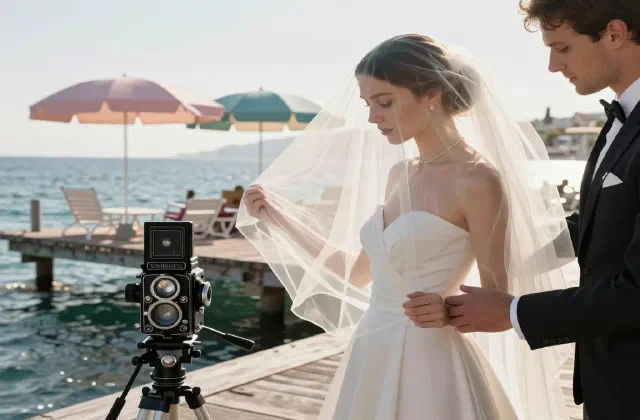
The Secret to Choosing the Perfect French Riviera Wedding Photography Package for Your Once in a Lifetime Day
Discover how to choose the perfect French Riviera wedding photography package, capturing every sunlit moment of your once-in-a-lifetime day.