The French Riviera Elopement Photographer Who Makes Far From Home Feel Like Forever
Cannes wedding photographer for international couples—capturing your love story on the French Riviera, turning a far-from-home elopement into a timeless forever.
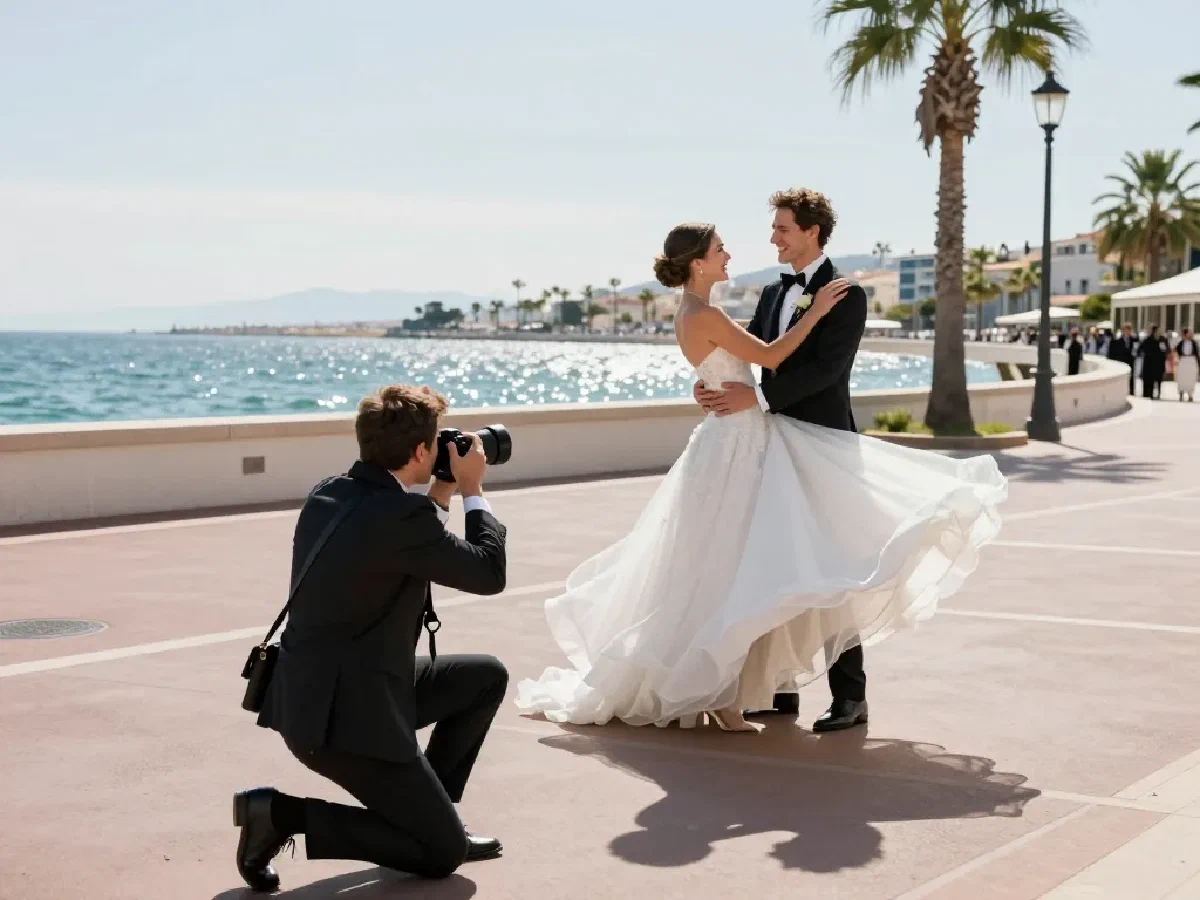
The first time you step off the train in Cannes, the light hits different—it’s softer, warmer, as if the whole city is dressed for a celebration you haven’t planned yet. You’re here for a Cannes wedding photographer for international couples, but before you even think about poses or timelines, you feel it: the salt air, the pastel facades, the way strangers smile like they’re in on a secret. This guide isn’t about booking a vendor; it’s about understanding how a single artist can turn your foreign wedding into a homecoming, where the unfamiliar coastline becomes the backdrop to your most intimate promises. By the end, you’ll know exactly what to look for in a photographer who doesn’t just capture images but translates the emotion of being far from home into something you’ll never want to leave. So let’s walk the Croisette together, and I’ll show you how the right lens makes every mile from your own doorstep feel like a love letter written just for you.
What to Look for When Hiring a Cannes Wedding Photographer for International Couples
You’ve flown across an ocean, maybe two, to say your vows where the Mediterranean light turns everything gold. Your family is scattered between three time zones, your dress survived the baggage carousel, and your partner keeps squeezing your hand under the restaurant table. In that whirlwind, the photographer you choose becomes your memory-keeper, your translator of place, and your proof that this day actually happened. But for international couples, the right photographer is about far more than a pretty portfolio. It’s about trust, legality, and knowing that someone has your back before the shutter even clicks.
Why the Right Photographer Starts With Legal Peace of Mind
You’ve booked a villa above the Croisette. Your officiant is confirmed. Then, a week before the wedding, your photographer asks for a cash deposit wired to a personal account with no contract. It sounds like a nightmare, yet it happens more often than you’d think when couples book sight unseen from abroad. The right Cannes wedding photographer for international couples understands that your first concern isn’t lighting—it’s logistics. They’ll proactively explain the legal side of shooting in France, including permits for public spaces like beaches or squares, which can require advance approval from the local mairie. A professional will already know which locations need special authorization and will guide you through the paperwork, rather than leaving you to discover a fine or a last-minute location switch.
Beyond permits, legal peace of mind means clarity around your own visa or marriage requirements. A photographer isn’t a lawyer, but an experienced one will know the typical documentation needed for foreign couples marrying in France, such as a certificate of no impediment or translated birth certificates. They’ll advise you on timing, so you’re not scrambling at the consulate. This proactive approach turns a vendor into a partner. You’re not just hiring someone to take pictures; you’re hiring someone who ensures the day can legally happen at all. That’s the foundation on which every beautiful frame is built.
How to Verify Credentials and Insurance Before You Book
You wouldn’t hire a pilot without checking their license, so why trust your wedding memories to someone without verifiable credentials? Start by asking for their professional insurance certificate. This covers liability if they damage a venue or a guest injures themselves during a shoot. In France, a reputable photographer will carry public liability insurance, and they should be happy to share proof. Next, check their business registration. A legitimate professional will have a SIRET number (the French business registry ID), which you can verify online. If they hesitate or give excuses, walk away. This isn’t about being suspicious; it’s about protecting yourself from a no-show or a lost deposit.
Credentials also extend to their artistic training and association memberships. Look for photographers who belong to recognized bodies like the Fédération Photographique de France or international groups like Fearless Photographers or WPJA (Wedding Photojournalist Association). These memberships require peer-reviewed portfolios and adherence to ethical standards. When you’re planning from another country, you can’t meet every candidate face-to-face, so use video calls to ask pointed questions. Request a full gallery from a recent wedding, not just highlights, and ask for direct contact with a past international couple. A trustworthy photographer will gladly provide references. This verification process takes an hour but saves you from heartbreak. Remember, you’re not being demanding—you’re being smart.
The Importance of a Bilingual Contract and Clear Usage Rights
You sign a contract written entirely in French. Later, you discover a clause that lets the photographer use your images for commercial advertising indefinitely, without your consent. You’d have signed away your privacy without knowing it. That’s why a bilingual contract is non-negotiable for international couples. A professional Cannes wedding photographer for international couples will provide a contract in both English and French, or at least a certified translation, so every clause is clear. This isn’t just about convenience—it’s about legal enforceability. If a dispute arises, you need to understand exactly what you agreed to, and a French court will look at the contract’s terms, not your verbal understanding.
Usage rights are the other half of this equation. In France, the default copyright belongs to the photographer, but you can negotiate a license for how you’ll use your images. You want to know:
- Can you print your photos at home or order albums from any lab?
- Can you post them on social media, and does the photographer require credit?
- Can the photographer use your images for their portfolio or marketing, and can you opt out?
- Who owns the digital files after delivery, and is there a fee for full-resolution copies?
A transparent photographer will lay these out in writing, with no vague phrases like “all rights.” They’ll also clarify delivery timelines, backup procedures, and what happens if they’re ill on the day. A bilingual contract isn’t just paperwork; it’s a promise that you’re entering this partnership with eyes wide open. When you understand every word, you can relax and trust that your memories are in safe hands, whether you’re in Cannes or a continent away.
How to Plan Your Cannes Wedding Photography Around the Weather and the Light
A couple stands at the edge of the Croisette, hands clasped, the Mediterranean sprawling behind them. They’ve traveled thousands of miles for this moment. But the photographs that carry that promise home depend on something far less romantic: the exact angle of the sun and the mood of the sky. For a Cannes wedding photographer, the difference between a golden, soft-lit portrait and a blown-out, squinting disaster is not luck—it’s planning. International couples often arrive with dreams of Mediterranean perfection, only to discover that the coast has its own rhythm of light, wind, and sudden shifts. The good news is that with a little foresight, you can build your entire shoot around the elements, turning them from obstacles into collaborators.
Golden Hours on the Croisette and the Suquet
Imagine the Croisette at noon: a postcard of glamour, but also a wall of harsh, vertical light that flattens faces and turns white dresses into blinding flares. The real magic happens in the last two hours before sunset. Then, the palm-lined promenade glows with a warm, honeyed tint, and the sea behind you becomes a sheet of liquid gold. For a Cannes wedding photographer, this is the window to schedule your main portraits—not just for the color, but for the way the low angle catches the curve of a shoulder or the sparkle of a ring. Wander up to the Suquet, the old town’s cobbled hill, and you’ll find the same golden light filtering through narrow alleys, casting long, soft shadows on stone walls. The trick is to move fast. The golden window lasts barely forty minutes, so plan a route that lets you hit two or three backdrops without rushing. Have a shortlist of specific corners—a terrace with a sea view, a vine-covered arch, a quiet stairway—and let the light dictate the order, not the map.
Navigating the Mediterranean Climate and the Mistral Wind
The Riviera’s climate is famously mild, but it is also a stage for sudden drama. Summer afternoons can bring a quick, intense thunderstorm that vanishes as fast as it arrives, leaving the air rinsed and the light impossibly clear. More important for your shoot is the Mistral, a dry, cold wind that can sweep down from the north and turn a calm seaside portrait into a battle with flying hair, flapping fabric, and sand that stings your eyes. A local photographer will check the wind forecast as carefully as the rain, because the Mistral often brings brilliant, crisp visibility—perfect for wide shots of the bay—but it makes close-up, posed work difficult. The practical answer is to build flexibility into your timeline. Keep a sheltered indoor backup, like a hotel courtyard or a covered passage in Le Suquet, where you can wait out a gusty hour without losing the day. Also, embrace the wind for a few frames. A veil caught mid-air or a dress billowing against the sea can become the most alive images of your collection, provided you’re not fighting it for every single pose.
Choosing the Best Season for Your Outdoor Shoot
When international couples ask about the ideal time for a Cannes elopement shoot, the honest answer is that every season offers a different palette. Spring brings wildflowers along the coastal path, softer skies, and fewer crowds, though the sea is still too cold for barefoot dips. Summer guarantees long, sun-drenched evenings and that iconic azure water, but it also means peak tourist numbers and a higher chance of hazy, overexposed midday light. Autumn, particularly early autumn, is the quiet secret of local photographers. The water is still warm, the light turns a deeper amber, and the streets of Cannes lose their packed, frantic energy. Winter is the most dramatic—crisp, low sun, empty beaches, and a moody, cinematic atmosphere that suits couples who prefer shadows to sunshine. To help you decide, here’s a quick breakdown of what each season offers for your outdoor session:
| Season | Light Quality | Crowd Level | Weather Risks | Best For |
|---|---|---|---|---|
| Spring | Soft, fresh, with long shadows | Moderate | Occasional rain showers | Floral backdrops, pastel tones |
| Summer | Bright, harsh at noon, golden at dusk | High | Heat, brief thunderstorms | Vibrant blue sea, lively atmosphere |
| Early Autumn | Warm amber, low and flattering | Low | Mild wind, rare rain | Romantic, intimate portraits |
| Winter | Crisp, low sun, dramatic contrast | Very low | Strong Mistral gusts | Moody, editorial-style shots |
A Cannes wedding photographer for international couples will often recommend early autumn as the sweet spot, balancing reliable warmth with that rich, golden evening light. But if your schedule is fixed, don’t worry. The real art lies in adapting your plans to the moment. By choosing your hours, respecting the wind, and picking a season that matches your visual style, you ensure that your photographs feel timeless, not just lucky. And that is what makes far from home feel like forever: not perfect weather, but perfect intention.
The Most Photogenic Backdrops in Cannes and Beyond for Your Elopement
Late afternoon light spills over the old stone of Le Suquet, and the bay of Cannes turns to hammered gold. You are far from home, but the air carries salt and jasmine, and in that moment, the distance between your past and your future collapses into a single frame. As a Cannes wedding photographer for international couples, I have come to see that this city is not merely a venue—it is a feeling. And that feeling translates into photographs that read less like documentation and more like a dream you can hold.
From the Palais des Festivals to the Old Port
Begin your story where glamour brushes against the everyday. The red-carpet steps of the Palais des Festivals draw the eye, yet the real photographic treasure hides in the quieter corners nearby. In the early morning, before the crowds arrive and the yachts stir, the masts in the old port clink softly, and the pastel facades along Quai Saint-Pierre shimmer in the water like a painting. Wander hand-in-hand up the cobbled streets toward the medieval tower of Le Suquet. The narrow alleys, draped in bougainvillea, offer an intimacy no grand ballroom could match.
For a Cannes wedding photographer for international couples, this route unfolds as a narrative: the public spectacle of the festival gives way to the private hush of a hidden stairway. That contrast is what makes the images sing. Pause for a kiss on the steps of the old castle, with red-tiled roofs sprawling below and the Mediterranean stretching to the horizon. The light here is forgiving—soft in the morning, painterly at dusk—so every shot feels candid and cinematic, however posed you might actually be.
Island Escapes and Ferry Rides to the Îles de Lérins
A short ferry ride from the Vieux Port carries you to a world apart. Sainte-Marguerite, the larger of the two islands, is a sanctuary of pine forests, hidden coves, and the mysterious Fort Royal. No cars. No rush. Only the sound of cicadas and the gentle lap of waves. An elopement here feels like a secret, witnessed only by the sea and the ancient trees. Eucalyptus-lined paths cast dappled light, while the rocky beaches offer a raw, untamed beauty that stands in sharp contrast to Cannes’ polished glamour.
If you crave a different energy, take the slightly longer crossing to Saint-Honorat. There, the working monastery and its vineyards create a serene, almost spiritual atmosphere. The abbey’s stone walls and the rows of vines leading to the water make for minimalist, elegant portraits. For practical planning, keep these logistics in mind:
- Ferry departures run frequently from the Quai des Îles, but check the schedule in advance, as they reduce in the off-season.
- Pack light and bring comfortable shoes; you will be walking on uneven, sometimes sandy terrain.
- Reserve a picnic or a quiet table at one of the island’s simple restaurants to extend your day without the crowds.
The ferry ride itself becomes part of the experience—a moment of anticipation, captured in the wind through your hair and the island growing larger on the horizon.
Villages and Coastlines From Antibes to the Pays de Grasse
Venture beyond the city, and the landscape shifts with every curve of the road. To the east, Antibes offers the ramparts of the old town and the beloved Picasso museum, where the sea crashes against ancient fortifications. The Cap d’Antibes is a peninsula of luxury villas and hidden footpaths, leading to a lighthouse at the tip—a spot that feels like the edge of the world. Just inland, the perched village of Mougins, with its art galleries and cobbled squares, provides a medieval backdrop that is both romantic and timeless.
For a change of scenery, drive north into the Pays de Grasse, the perfume capital of the world. When in season, fields of lavender and roses paint the hillsides in vivid color, but the real treasure is the village of Gourdon, clinging to a cliff with panoramic views that reach all the way to the sea. A Cannes wedding photographer for international couples knows these locations offer versatility: the rugged coast for wind-swept passion, the quiet village for intimate, laughter-filled moments. Each site sits less than an hour from Cannes, so you can easily combine two or three in a single day, crafting a visual journey that feels both epic and deeply personal.
The best light in this region is not at noon but in the “golden hour” before sunset; plan your most important portraits for that time, and let the midday hours be for travel and exploring.
What a Cannes Wedding Photography Package Really Includes and How to Budget
You are standing on a terrace overlooking the Bay of Cannes, the late sun turning the water into molten gold. Your partner’s hand is in yours, and the only sound is the click of a camera shutter somewhere behind you. But before that moment exists, there is a process—a quiet architecture of emails, mood boards, and timelines that makes the day feel effortless. A Cannes wedding photography package for international couples is less a product and more a carefully choreographed partnership, and understanding its true shape is the first step to planning with confidence.
From Pre-Wedding Consultations to Second Shooters
Months before you step onto French soil, the real work begins. A thoughtful photographer will schedule video calls that cross time zones, asking not just about your venue but about the story you want to tell—how your families met, whether you laugh or cry during toasts, the song that makes you both stop talking. These consultations shape a shot list that feels personal rather than transactional. You’ll discuss the light at your specific hour, the walk from the hotel to the altar, and whether you want candid documentary frames or more directed editorial poses.
Then the package unfolds across the day itself. Most Cannes photographers for international couples include a second shooter for the ceremony and reception—essential when you have guests scattered across a sprawling villa or a beachside dinner. That second set of eyes captures the groom’s tear while the lead photographer follows the bride’s veil in the wind. Beyond the obvious, expect coverage of getting-ready moments, the first look, portraits at golden hour, and the final dance. Some packages also include a pre-wedding shoot at a nearby location like the Lerins Islands or the old port, which doubles as a way to get comfortable in front of the lens. What you are paying for is not just hours but a system: backup gear, local permits, and a workflow that delivers edited galleries within a set timeframe—usually a few weeks, not months.
Understanding Price Ranges and What Drives the Cost
Budgeting for Cannes wedding photography can feel like navigating a foreign market without a map. The good news is that prices follow predictable patterns, driven by three main factors: the photographer’s reputation, the length of coverage, and the complexity of your event. A solo shooter covering six hours at a single venue will sit at the lower end, while a team of two with a drone, an assistant, and a full-day timeline will command a premium. You are also paying for fluency—both in French and English—and for the ability to handle the logistics of international travel, vendor coordination, and unpredictable weather.
- Half-day coverage (4–6 hours): from €1,800 to €3,000 per wedding
- Full-day coverage (8–10 hours) with one shooter: from €3,500 to €5,500 per wedding
- Full-day coverage with second shooter and pre-wedding session: from €5,000 to €8,500 per wedding
- Luxury packages with albums, prints, and extended hours: from €7,000 to €12,000 per wedding
These ranges reflect the current market for a Cannes wedding photographer who works regularly with international couples. The biggest cost driver is often the hours themselves—sunset in Cannes is late in summer, so a 10-hour day can stretch to midnight. Travel to outlying venues like Èze or Saint-Paul-de-Vence adds fees, as do permits for certain public beaches or historic squares. Ask for a detailed breakdown before booking; transparency here separates professionals from those who surprise you later.
How to Review a Portfolio for Multicultural and Editorial Expertise
A portfolio is a promise, but only if you know how to read it. When you look at a Cannes wedding photographer’s gallery, resist the urge to scroll past the pretty dresses. Instead, pause on the faces. Do you see couples who look like you—different skin tones, different body shapes, different ways of holding hands? A photographer who has worked with international couples will have a range of cultural moments in their work: a Chinese tea ceremony on a Riviera terrace, an Indian bride’s henna against the Mediterranean blue, a Scottish kilt under the palm trees. This is not about checking boxes; it is about proof that they know how to handle the nuances of your traditions without missing a beat.
Editorial expertise is another layer. Look for images that feel like they belong in a magazine—not overly posed, but composed with intention. Check how they handle harsh midday light versus the soft glow of the golden hour. See if their editing style is consistent across different venues and seasons, or if it fluctuates wildly. Ask to see a full wedding gallery, not just highlights, because that reveals how they tell a story from start to finish. A strong portfolio will show you the in-between moments: the ring bearer pulling a face, the grandmother adjusting her hat, the couple stealing a quiet breath between dances.
The best portfolios are not the ones with the most likes, but the ones where you can almost hear the laughter and the sea.
When you find a photographer whose work feels like a memory you want to own, trust that instinct. Then ask them directly about their experience with couples from your home country—not for testimonials, but for a conversation about how they adapt. A Cannes wedding photographer for international couples should make you feel that your distance from home is not a barrier, but a bridge to something unforgettable.
A Forever That Feels Like Home
The music stops. The last sparkler flickers out. You’re standing on a quiet Cannes terrace, the sea whispering below, and for a moment, the miles between here and home don’t feel like distance. They feel like the space you’ve crossed together. That’s what a Cannes wedding photographer for international couples really does—not just captures the lavender fields or the golden-hour glow, but weaves your story into the landscape so it holds you, even after you’ve slipped back into your everyday. A candid laugh. A nervous glance. A tear caught mid-air. Each one is proof that you belong here, that this place chose you as much as you chose it. And when you look back at these photographs, you won’t see a foreign shore. You’ll see the start of a lifetime, and you’ll know exactly where to begin: by trusting someone who makes being far from home feel like the most natural place to say forever.
Frequently asked questions
I'm planning a destination wedding in Cannes from abroad. How do I even start looking for a photographer who understands my vision?
We don't speak French fluently. Will that be a problem during the shoot or in our communication?
What's the best time of year to book a Cannes wedding photographer for our destination wedding?
How do we handle the legal paperwork for a photographer when we're getting married in France but live overseas?
What should we expect in terms of pricing for a Cannes wedding photographer, and are there hidden costs?
Our wedding will have guests from many countries. Can the photographer capture cultural moments we might not know about?
How do we choose between a photographer who's based in Cannes versus one who travels with us from home?
What if our wedding is on a yacht or a private beach in Cannes? Can a photographer handle those settings?
How far in advance should we book our Cannes wedding photographer, and what's the typical deposit?
After the wedding, how long will it take to receive our edited photos, and how are they delivered?
View recommended photographers
Affiliate disclosure: this site may earn a commission when you book through links on this page, at no extra cost to you.
View recommended photographersRelated guides
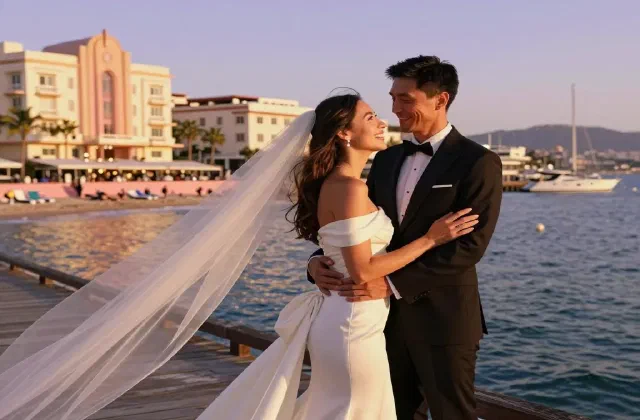
How the Golden Hour Turns a Cannes Sunset into Your Most Unforgettable Wedding Photo
As the sun melts into the Bay of Cannes, golden light wraps around you—here’s how to turn that fleeting glow into your most breathtaking, unforgettable sunset wedding photograph.
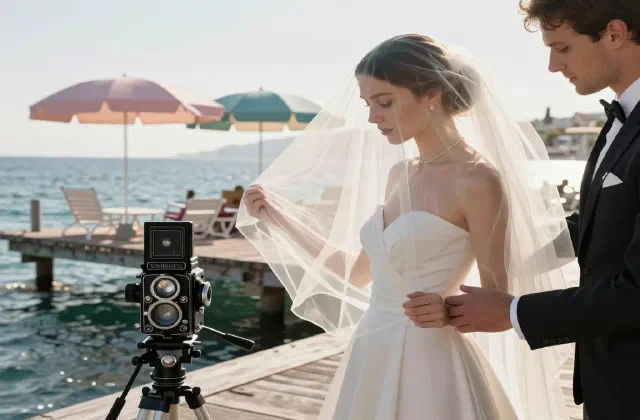
The Secret to Choosing the Perfect French Riviera Wedding Photography Package for Your Once in a Lifetime Day
Discover how to choose the perfect French Riviera wedding photography package, capturing every sunlit moment of your once-in-a-lifetime day.
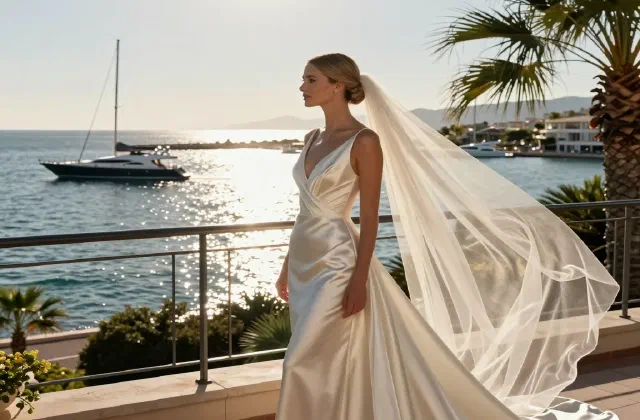
How to Find the Cannes Wedding Photographer Who Turns Luxury Hotel Moments Into Forever Memories
Inside a sunlit suite overlooking the Croisette, your dress catches the light—find the Cannes luxury hotel wedding photographer who turns fleeting moments into timeless, cinematic memories.