How to Find the Cannes Wedding Photographer Who Turns Luxury Hotel Moments Into Forever Memories
Inside a sunlit suite overlooking the Croisette, your dress catches the light—find the Cannes luxury hotel wedding photographer who turns fleeting moments into timeless, cinematic memories.
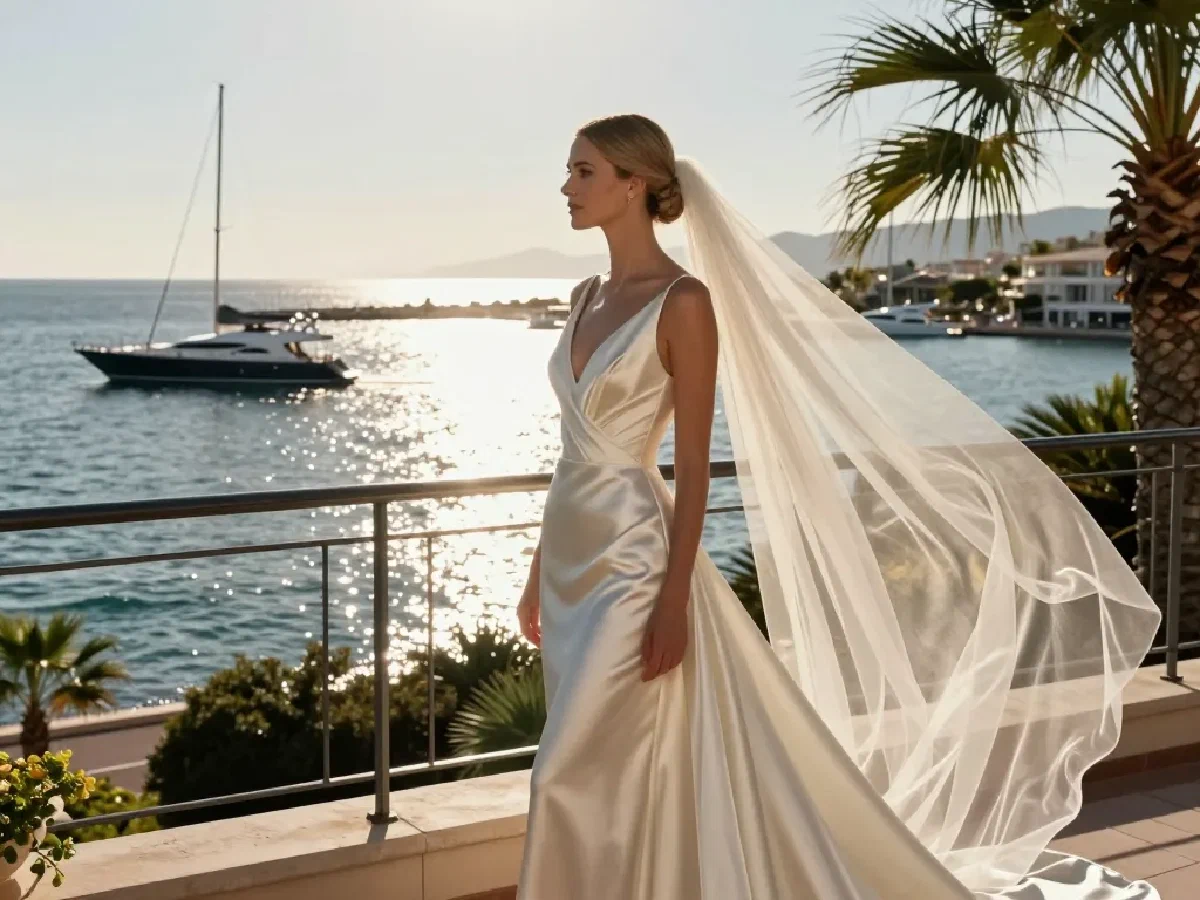
The sea air carries jasmine and salt as you step onto the marble terrace of a five-star Cannes hotel, late golden light catching the champagne glasses in your hand. Every detail is planned—the couture gown, the orchestral string quartet, the Michelin-starred menu. Yet the one element that will outlast the petals and the toasts is still missing.
Finding a Cannes luxury hotel wedding photographer isn’t about booking someone with a camera. It’s about entrusting a stranger to capture the fleeting seconds your memory will later soften and blur. This guide walks you through the nuanced art of selection—finding someone who understands the rhythm of grand ballrooms, private pools, and candid glances between vows. The goal? An album that feels less like documentation, more like a cinematic echo of the day itself. By the end, you’ll know exactly what to look for, what to ask, and how to ensure your luxury moments are preserved with the same precision they were staged.
What Makes a Cannes Luxury Hotel Wedding Photographer Different
The golden hour light spills across the marble terrace as a bride’s veil catches the sea breeze. Downstairs, the concierge discreetly refills champagne flutes. Inside, a chandelier casts crystal shadows across a table set with Limoges porcelain. You’ve chosen a palace on the Croisette for the most photographed day of your life—but the photographer you pick will determine whether those images feel like a press release, or like the two of you, breathless and real.
A Cannes luxury hotel wedding photographer does more than point a camera. They choreograph light around heritage architecture and anticipate the exact moment a candle flickers across silk. They know that the bellhop’s smile is part of the story. What sets them apart is a practiced fluency with spaces that intimidate other photographers, paired with an instinct for finding your private universe inside a grand salon.
The Art of Capturing Palace Grandeur Without Losing Intimacy
You’re standing beneath a frescoed ceiling that has witnessed century-old galas. The room is vast, and the staircase sweeps like a ribbon. Yet the photograph that matters most is the one where your grandmother wipes a tear during the vows. This is the central tension of high-end hotel weddings: scale threatens to swallow sentiment.
A seasoned Cannes luxury hotel wedding photographer solves this by working in layers. First, they document the architecture as a character—the herringbone parquet, the draped velvet, the way morning light pools on a gold-leafed column. Then they narrow their focus to the in-between: a groom adjusting his cufflink, the ring bearer’s whispered joke, the bride’s hand resting on a balustrade as she gathers courage. The trick is using the grandeur as a frame, not a filter. They’ll position you in pockets of shadow near tall windows, letting the palace recede into a soft blur while your faces stay crisp. They also know when to step outside—onto a private terrace overlooking the bay—so the memory feels like a secret garden, not a ballroom.
The best results come from a photographer who treats the hotel as a collaborator. They’ve scouted the service corridors, the hidden courtyard, and the staff-only staircase with perfect northern light. They won’t waste your cocktail hour figuring out the layout. They’ll already know where the sun hits at 4 PM and which mirror reflects the sea. That’s how a château becomes intimate—not by ignoring its scale, but by choosing precisely which corners deserve your story.
Why Venue Experience Matters More Than a Pretty Portfolio
A portfolio filled with sun-drenched beach weddings is lovely. But the marble floors, low ceilings, and directional spotlights of a luxury hotel behave differently. Without venue-specific experience, even a talented photographer can produce images that wash out your gown or leave harsh shadows on your face during the first dance.
Consider what happens on a typical hotel wedding day. The ceremony is in a wood-paneled salon, portraits on a rooftop with wind gusts, and dinner in a candle-lit conservatory. Each space demands different settings—high ISO for dim chandelier light, polarizers for reflective floors, off-camera flash balanced against floor-to-ceiling windows. A Cannes luxury hotel wedding photographer has navigated these variables dozens of times. They know the brass elevator doors make a perfect reflector for a quick portrait, that the concierge desk has controlled lighting ideal for ring shots, and that the garden fountain freezes beautifully at 1/200th of a second.
This expertise extends to logistics, too. They can advise on the best time for portraits relative to the sunset over the Mediterranean, how to schedule group shots to avoid the hotel’s check-in rush, and which balconies offer the most flattering angles. When you’re paying for a venue that costs thousands per night, the last thing you need is a photographer learning on your dime. Ask to see a full gallery from the same hotel, not just a highlights reel. Look for consistent exposure across different rooms, natural skin tones under mixed lighting, and a variety of compositions from tight details to sweeping wide shots. That consistency is the real proof of venue fluency.
The First Questions to Ask Before You Fall for a Style
You’ve spent an hour scrolling through dreamy film-inspired edits and soft, airy frames. Before you book, pause. Style is the seduction—but technical competence and on-the-ground practicality are what secure your memories. Interview your potential photographer like a professional you’re hiring for a high-stakes project, because you are.
Start with these questions:
- “How many luxury hotel weddings have you shot in the past two years, and can I see two full galleries from the same property?”
- “What’s your backup plan for sudden rain or a power outage in the ballroom?”
- “Do you coordinate with the hotel’s lighting and AV team, or do I need to arrange that?”
- “How do you handle the balance between posed family portraits and candid moments during a multi-hour dinner?”
- “What’s your policy on editing and delivery—how many images, in what timeframe, and do you provide print or album rights?”
The answers reveal more than a skillset. They show whether the photographer understands the rhythm of a hotel wedding—the way staff will interrupt for a course change, the moment the band switches to a slow song, the post-speech toast that catches everyone off guard. You also want to gauge personality. You’ll spend more waking hours with them than with some of your guests, so comfort matters.
Finally, discuss logistics and price openly. A seasoned Cannes luxury hotel wedding photographer typically charges from €3,500 to €9,000 per wedding day, depending on hours, second shooter, and album. That range should include a pre-wedding consultation at the venue and travel within the Cannes area. If a quote comes in far below that, ask why. If it’s far above, demand the justification. The right photographer will welcome scrutiny because they know the value of their work—and they’ll prove it by turning your palace wedding into something that feels like home.
How to Plan for the Unique Rhythm of a Cannes Hotel Wedding Day
Morning light spills over the Croisette, and the hotel suite smells of orange blossom and fresh coffee. Downstairs, the concierge already knows your name. The pastry chef has stacked the exact macaron tower you sketched. Somewhere in the gardens, a string quartet tunes. But a Cannes luxury hotel wedding day is not a single, smooth event. It is a series of precise, delicate movements—each with its own timing, light, and mood. The photographer who thrives here is not just someone with a camera. They are a choreographer, one who understands that the city’s glamour lives in the transitions.
From the Mairie to the Terrace: Covering the Civil Ceremony and Beyond
For many couples, the day begins not beneath a chandelier, but with a short, official civil ceremony at the Cannes town hall—the Mairie, a Belle Époque gem just steps from the harbor. Your photographer needs to be fluent in this dual rhythm. There is the quick, formal, often crowded moment inside the registry office, and the unhurried, private celebration that follows on the hotel terrace. Ask them how they handle the shift from documentary-style speed to portrait-like stillness. A skilled photographer knows that the best terrace light arrives in the late afternoon, so they will suggest a short champagne break between the legalities and the first posed shots. It lets the city’s hum settle behind you.
The Mairie brings practical constraints, too. Security, other couples, narrow staircases—all demand discretion and speed. Look for someone who has shot at the Mairie before. They will know exactly where to stand to catch the exchange of rings without blocking the officiant, and where the best patch of shade hides for a quick family photo. This experience helps them anticipate the inevitable five-minute delay when the previous ceremony runs long. They will use that window to scout angles on the hotel’s grand staircase. So the moment you step out as a married couple, they are already in position, camera raised, capturing the first unguarded smile. The result is a seamless story: it begins with a stamp on a document and ends with a golden-hour portrait that feels like a film still.
Moving Between Beach, Garden, and Ballroom Without Missing a Moment
A Cannes luxury hotel is rarely a single venue. It is a small universe with distinct ecosystems. One hour you are walking barefoot on the private beach. The next, you are posing among olive trees in a walled garden. By evening, you are under a crystal chandelier in a ballroom overlooking the bay. Each location has its own light quality—the beach harsh and bright at noon, the garden dappled and romantic, the ballroom a mix of candlelight and soft spotlights. Your photographer must be a master of adaptation, carrying lenses that work in all three without constantly stopping to change bags.
Ask your photographer about their transition plan. Do they scout the route between locations beforehand? Do they have a system for managing guests who wander off during the move? A professional will suggest a “walk and shoot” sequence—turning the ten-minute stroll from garden to ballroom into a spontaneous photo session, with you holding hands while the sea breeze catches your veil. They will also know when to put the camera down, such as during a beach toast, to let the moment breathe. And when to stay alert for the unplanned—like a child chasing a seagull or a grandparent dabbing a tear. The best photographers bring a second shooter for the beach hour, allowing one lens to capture the wide coastline shot while the other focuses on your expressions.
To help you evaluate their flexibility, consider this quick checklist during your consultation:
| Location Type | Main Light Challenge | Photographer’s Key Action |
|---|---|---|
| Private beach | Harsh midday sun, glare on sand | Use off-camera flash or find natural shade |
| Walled garden | Dappled shadows, uneven light | Position you with your back to the sun |
| Grand ballroom | Low candlelight, mixed color temps | Use fast prime lenses, adjust white balance |
| Terrace at sunset | Rapidly fading light | Pre-plan silhouettes and sparkler shots |
| Hotel corridor | Narrow space, harsh ceiling lights | Use a 35mm lens, shoot from doorways |
| Poolside | Reflected water light, busy background | Use a shallow depth of field to blur the pool |
Working With Hotel Staff and Wedding Planners Like a Pro
Behind every seamless Cannes wedding is a quiet army. The head butler refills glasses. The event manager moves chairs. The chef times the amuse-bouche to the exact moment the speeches end. The photographer who works well here is not an outsider but a temporary colleague. They know that the hotel’s lighting designer will dim the ballroom at 9:30 PM, so they coordinate their portrait session to finish five minutes before. They respect the house rules—no flash in the Michelin-starred restaurant, no blocking the service corridor—because a photographer who fights the staff will produce stiff, rushed images.
During your first meeting, ask the photographer about their relationship with hotel teams. Do they arrive early to introduce themselves to the event manager? Do they have a backup plan if the wedding planner’s timeline shifts? A seasoned professional will tell you they always carry a printed itinerary and a small walkie-talkie to stay in sync with the coordinator, especially during dinner service when timing is everything. They will suggest a “first look” session before the ceremony, not just for the emotional payoff. It gives them a controlled window to shoot in the garden while the hotel staff sets up the ballroom—using the quiet before the storm to capture images without guests in the background.
This collaborative approach extends to the small details. The photographer might ask the planner to pause the music for thirty seconds during the cake cutting. Or to have the valet hold the vintage car at a specific angle so the light hits the chrome just right. When photographer, planner, and hotel staff work as one unit, the couple feels it. They never wait. They never feel rushed. They never see a confused look on anyone’s face. Instead, they experience a day that flows like a choreographed dance, where every turn reveals a new beautiful setting, and every glance is captured with intention. That is the true signature of a Cannes luxury hotel wedding photographer: not just a pair of eyes, but a trusted partner in the rhythm of the day.
Navigating Permits, Light, and Logistics on the French Riviera
The first time you step onto a Cannes hotel terrace, the Mediterranean glitters like a sheet of hammered silver, and you instantly understand why couples choose this stretch of coast. But behind every effortless wedding photo—the bride laughing against a marble balustrade, the groom adjusting his cuff under a century-old palm—there is a quiet choreography of permissions, shadows, and timing. Finding the right Cannes luxury hotel wedding photographer means finding someone who treats these logistics not as obstacles, but as part of the art.
Securing Permission for the Croisette and Private Hotel Spaces
Your photographer should already have working relationships with the grand dames of Cannes—the palaces where weddings unfold across manicured gardens and gilded salons. Professional photographers don’t show up with a camera and hope; they email the hotel’s event coordinator weeks ahead, submit a shooting schedule, and discuss where they can set up without disturbing other guests. Ask your photographer whether they’ve shot at your chosen venue before, and if not, whether they’ll handle the paperwork. Many five-star properties require a fee for commercial-style shoots, even for weddings, and this cost often lands on your final invoice. A photographer who knows the drill will recommend a second location along the Croisette for sunset portraits, where public spaces require no permit but do demand common sense—bystanders, traffic, and the occasional curious seagull. They will also know which hotel corners catch the breeze, where the light falls at 7 p.m., and which service entrances let you move from suite to terrace without crossing a lobby full of afternoon tea drinkers. This preparation matters because a seamless shoot never looks accidental; it looks inevitable.
Taming the Midday Sun and Making the Most of Golden Hour
The Riviera sun is a diva—brilliant, unforgiving, and at noon it flattens faces and turns white dresses into blinding beacons. A seasoned Cannes luxury hotel wedding photographer will plan your portrait sessions around its moods: early morning for the “just woke up” softness on the beach, late afternoon for the amber glow that turns stone into honey. But you cannot always control a wedding-day schedule, so they will bring tools that work in harsh light: portable diffusers, reflectors, and a willingness to seek out striped shadow under pergolas or the cool shade of a fig tree. They will also know that the true magic arrives in the final hour before sunset, when the sky over the Lerins Islands shifts through peach, rose, and violet. That is when they might suggest a quick walk to a quiet jetty or a rooftop, if your hotel allows it—not for a posed set, but for the unguarded moment when you look at each other and forget the day’s stress. Expect your photographer to manage your time actively, reminding you to drink water, fix your tie, and breathe, because the light does not wait, and neither does the tide.
- For the most flattering results, ask your photographer to shoot:
- Morning bridal prep near a north-facing window for soft, even glow
- Couple portraits in the golden hour, 45–60 minutes before sunset
- Evening receptions with existing ambient light, not harsh flash
- A late-night balcony frame using only the hotel’s string lights and the moon
What to Expect From Pricing and Travel Within the Region
Hiring a photographer who truly knows Cannes luxury hotel weddings is an investment, but one with clear ranges. For a full-day shoot (10–12 hours) at a five-star venue, with an assistant and a second shooter, expect from €4,500 to €9,000 per wedding. Add travel if your photographer is based in nearby Nice or Monaco—the region is small, so local photographers rarely charge heavy logistics fees, though a rate of €200–€400 per hour for extra coverage is common. Some photographers offer half-day packages for elopements or intimate dinners, which typically fall between €2,500 and €4,500, and include just the ceremony and golden-hour portraits. Always ask what is included: print albums, online galleries, and drone footage can push the total higher, but good photographers will itemize transparently. And when discussing logistics, remember that Cannes is congested in festival season—your photographer must know the back roads, the valet tips, and the ferry schedules to the nearby islands if you dream of a beach shoot on Sainte-Marguerite. They should arrive early, not just for setup, but because a wrong turn in La Croisette traffic can cost you fifteen precious minutes of that golden light.
The best luxury wedding photographers are not just shooters; they are planners who make the complex look effortless, because the couple’s only job should be to live the moment, not to manage it.
How to Choose the Photographer Who Will Tell Your Cannes Story
The light spills across the marble lobby of a grand hotel on the Croisette, and for a heartbeat, the afternoon is steeped in gold. Your dress whispers against the floor, champagne flutes catch the sun, and it hits you: this is the moment you will want to hold forever—not as stiff poses, but as a feeling. Yet finding someone who can chase down that feeling is rarely about swiping through pretty pictures. It is about understanding how a photographer thinks, moves, and adapts when the day takes an unscripted turn.
Reading Between the Lines of Their Luxury Wedding Gallery
Open a Cannes luxury hotel wedding photographer’s portfolio, and you are not merely seeing happy couples—you are seeing decisions. Take note of how they treat the architecture around the pair. Do they let sweeping staircases and crystal chandeliers frame the emotion, or do they fade them into the background? A true storyteller knows a luxury hotel is not scenery; it is a living character in your narrative. Seek out the quiet frames: the groom straightening his cuff while waiting, a mother’s fingers grazing your veil, the sea glowing through a window as the first dance begins. These are not lucky snaps. They are the work of someone who predicts where emotion will surface.
Notice, too, how they manage light across a single gallery. A luxury venue in Cannes throws everything at you—blazing midday sun on the terrace, dim candlelight in the dining room. If their images keep skin tones true and detail sharp through both extremes, you know they have the technical reach to pivot. Then ask yourself what the gallery stirs in you. If you find yourself longing to be at that wedding, even as a stranger, they have already done their job.
The Interview Questions That Reveal True Problem-Solving Skills
A polished portfolio proves they can shoot—but a wedding is a live, unscripted drama. Your talk with the photographer should wander far beyond pricing and schedules. Ask about a moment when everything fell apart: rain crashing down, a relative strolling in late, the hotel coordinator flipping the timeline minutes before the ceremony. The answer should not be a polished line about “staying calm.” It should be a real story that exposes their process. Do they scout the venue ahead of time? Is there backup gear in the car? Do they already know which terrace corners offer shade at 4 PM?
Here are a few questions that dig deeper than the standard checklist:
- How do you handle a couple who dreads posed portraits but still wants formal family shots?
- What do you do when the sunset lands during cocktail hour and the couple is nowhere in sight?
- Can you walk me through the arc of a luxury hotel wedding you shot, from arrival to last dance?
Their answers lay bare their ability to prioritize, negotiate, and find beauty within limits. If they respond with curiosity rather than a guarded edge, and if they hand you practical fixes instead of vague reassurances, you have found someone who thinks on their feet. The day will not follow the blueprint—and a photographer who sees that as an invitation, not an obstacle, is worth every cent.
The best wedding photographers are not just observers of your day; they are quiet conductors who know when to step back and when to step in.
Trusting Your Instincts When the Light and the Venue Feel Right
After the galleries, the phone calls, and the price tags—which for a top Cannes luxury hotel wedding photographer usually fall between €3,500 and €8,000 for a full day—there comes a point where logic must step aside. You will meet someone with every credential, every glowing review, a portfolio that quickens your pulse. And still, something sits uneasy. Or you will meet another whose images are simpler, but whose company feels like an old friend. Trust that feeling. Your wedding is deeply personal, and this person will stand closer to you than most of your guests. They will see you cry, laugh, and murmur secrets to your partner. You need to feel at ease being entirely yourself around them.
Walk the venue together and watch how they move. Do they pause at the way light fractures on the terrace at 5 PM? Do they spot a reflective surface you had never noticed? Do they ask the staff about access to certain suites or the timing of the garden lights? A photographer who engages with the space, full of curiosity and care, is telling you without a word that they value the details that will shape your images. On the big day, when the unexpected arrives—and it will—you will not be thinking about contracts or camera settings. You will simply trust that they are handling it. That instinct, that quiet certainty, is the truest thing you can choose. And years later, when you revisit your photos, you will see not just the moments, but the steady, kind presence behind the lens that made them real.
The Last Frame
The music stops. The last guests wander toward the ocean breeze, and you’re left holding one printed photograph—not a glowing screen, but something real between your fingers. That’s when it hits you: a Cannes luxury hotel wedding photographer does more than capture a day. They stitch together the weight of a held breath, the shimmer of a champagne glass as it catches the Riviera sun, and the quiet tear that never reached the toast. So your next move is easy—find someone who listens to your story before they even touch a camera, who treats the marble staircases and infinity pools not as props but as characters in your tale. Skip the highlight reels; ask for full galleries. Trust the one whose images make you feel the terrace’s heat and the corridor’s hush. Because with the right eye, every future glance at those frames revives not just the place, but the pulse of the moment itself—and that, far more than any venue or flower arrangement, is the memory you’ll cherish forever.
Frequently asked questions
I’m planning a wedding at a luxury hotel in Cannes. Why should I hire a photographer who specializes in this specific setting, rather than a general wedding photographer?
How far in advance should I book a Cannes luxury hotel wedding photographer?
What should I look for in a portfolio when choosing a photographer for a luxury hotel wedding in Cannes?
Do you offer a pre-wedding or engagement shoot at the hotel, and why is it useful?
How do you handle the logistics of photographing a wedding across multiple locations within a luxury hotel, like the suite, the pool, and the ballroom?
What is the typical duration of coverage for a luxury hotel wedding in Cannes, and how does that affect the storytelling?
How do you manage the bright Mediterranean sun and the shadows it casts during an outdoor ceremony in Cannes?
What happens if the weather turns cloudy or rainy on my wedding day at a luxury hotel in Cannes?
What kind of editing and delivery can I expect from a luxury hotel wedding photographer in Cannes, and how long does it take?
How do you ensure that the photos reflect the unique personality of our wedding, rather than looking like every other luxury hotel shoot?
View recommended photographers
Affiliate disclosure: this site may earn a commission when you book through links on this page, at no extra cost to you.
View recommended photographersRelated guides
How the Golden Hour Turns a Cannes Sunset into Your Most Unforgettable Wedding Photo
As the sun melts into the Bay of Cannes, golden light wraps around you—here’s how to turn that fleeting glow into your most breathtaking, unforgettable sunset wedding photograph.
The French Riviera Elopement Photographer Who Makes Far From Home Feel Like Forever
Cannes wedding photographer for international couples—capturing your love story on the French Riviera, turning a far-from-home elopement into a timeless forever.
The Secret to Choosing the Perfect French Riviera Wedding Photography Package for Your Once in a Lifetime Day
Discover how to choose the perfect French Riviera wedding photography package, capturing every sunlit moment of your once-in-a-lifetime day.